1 Aug 2026
Biometric Feedback Loops Connecting Table Game Choices to Live Event Odds in Cross-Device Gambling Ecosystems
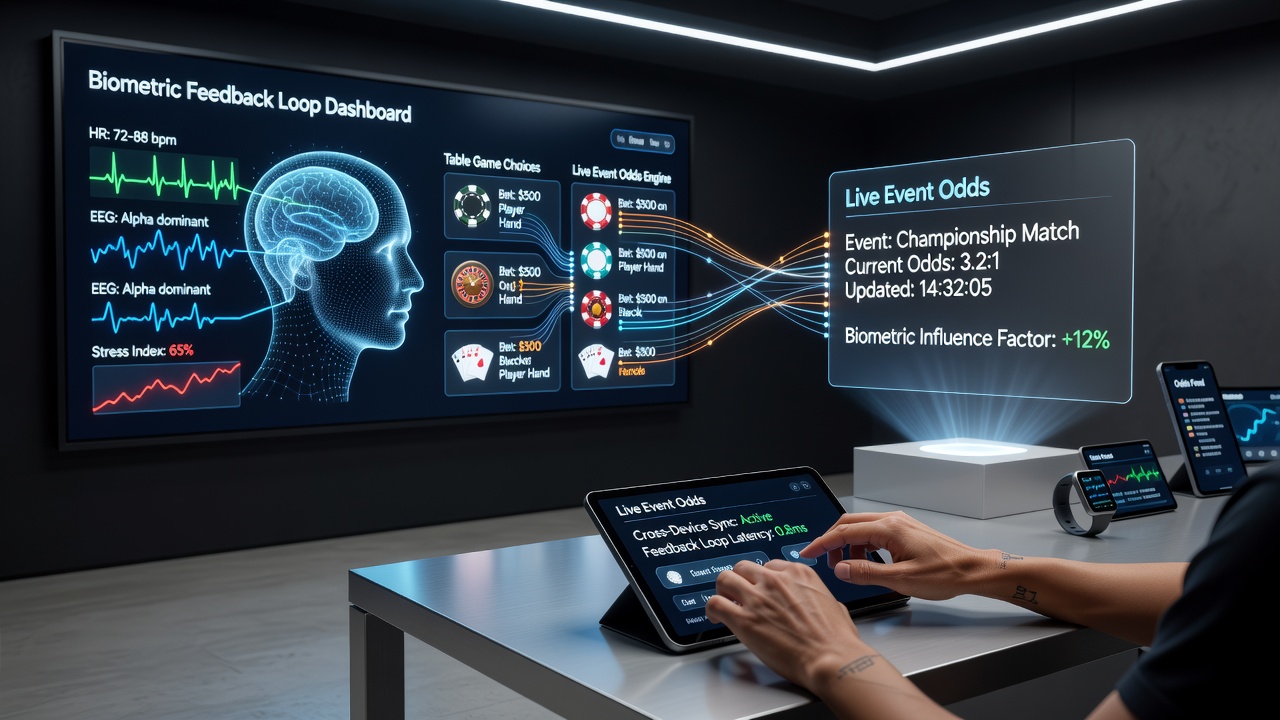
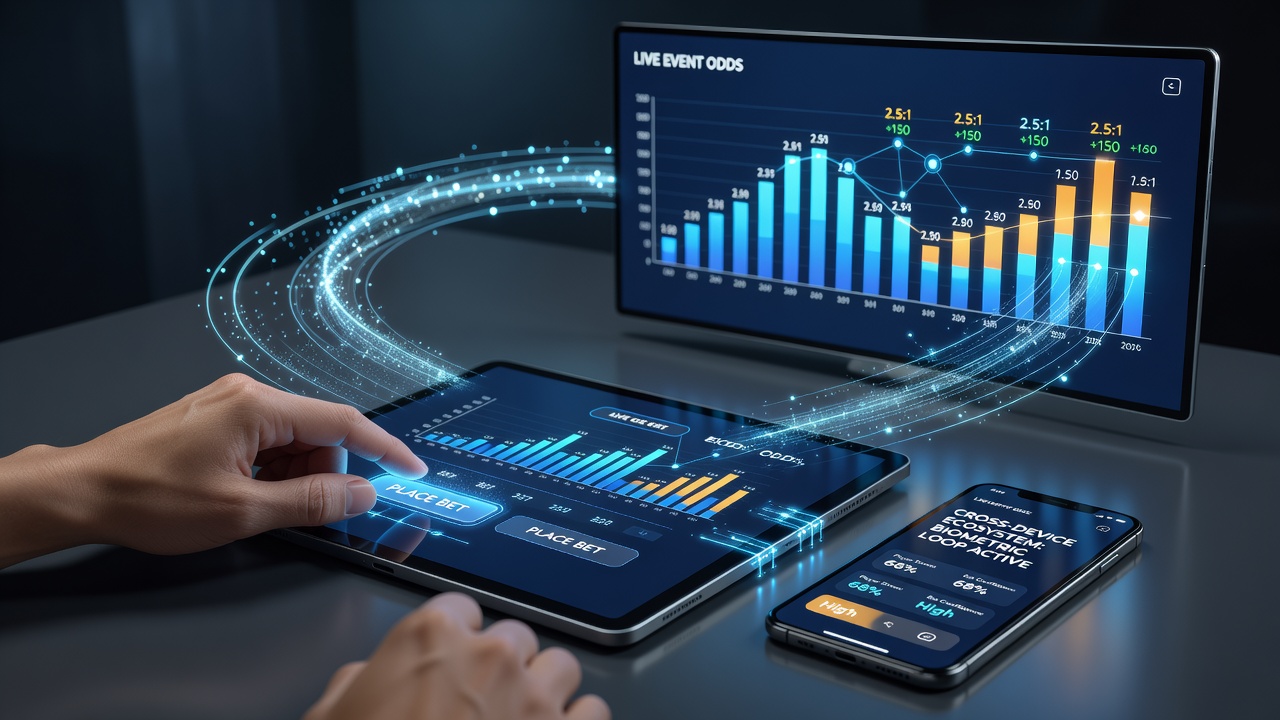 Biometric feedback loops have emerged as a core component in regulated gambling platforms where player physiological data shapes decisions at table games and then influences adjustments in live event odds across smartphones, tablets, and desktop interfaces. Systems track heart rate variability, skin conductance, and eye movement patterns during blackjack or roulette sessions before algorithms translate those signals into suggested bet adjustments that sync with sports wagering markets. Data from multiple operators shows these loops operate through wearable devices or embedded sensors at physical tables, creating continuous streams that update probability models in real time. Operators integrate these tools with existing player loyalty systems so that a detected increase in arousal during a poker hand can trigger revised odds displays for concurrent football or basketball events on the same account. Cross-device ecosystems allow the same profile to move from a land-based table to a mobile app without losing the biometric context, which then recalibrates live betting interfaces accordingly. Reports from state regulators indicate that such synchronization requires secure data pipelines compliant with encryption standards already in place for financial transactions.
Technical Mechanisms Behind the Loops
Sensors collect baseline readings at the start of each session and compare them against ongoing measurements while players select actions like hitting, standing, or raising stakes. When patterns deviate from established norms for that individual, the system adjusts table game prompts and simultaneously feeds correlated data into live event engines. This process relies on machine learning models trained on aggregated anonymized datasets rather than individual identities alone. Industry analyses reveal that eye-tracking cameras at electronic table terminals capture fixation durations on specific cards or chips, which then correlate with volatility preferences that carry over to live odds calculations for events such as tennis matches or horse races. The connection occurs because shared backend servers treat table game choices and sports wagers as part of one unified risk profile. Platforms in multiple jurisdictions have implemented these features since early 2025, with expansion noted through the summer of 2026.Cross-Device Synchronization in Practice
Players who begin a session at a physical roulette table equipped with biometric readers can continue the same feedback loop on a mobile device minutes later. The app receives updated parameters that reflect both prior physiological responses and current live event movements, allowing odds to shift in response to combined signals. This continuity depends on account-level identifiers that maintain session history across locations while respecting geographic restrictions enforced by geofencing technology. Data shows session lengths extend when biometric cues prompt timely reminders or option adjustments that align table play with upcoming live events. For instance, elevated stress markers during a craps roll might lower suggested stakes on a linked basketball prop bet displayed on the same screen. Regulatory filings from the Nevada Gaming Control Board document how these features require separate approval for each device category to ensure consistent application of responsible gaming controls.