6 Jul 2026
Biometric Wearable Syncs with Virtual Table Mechanics Reshaping Session Pacing in Multi-State Wagering Networks
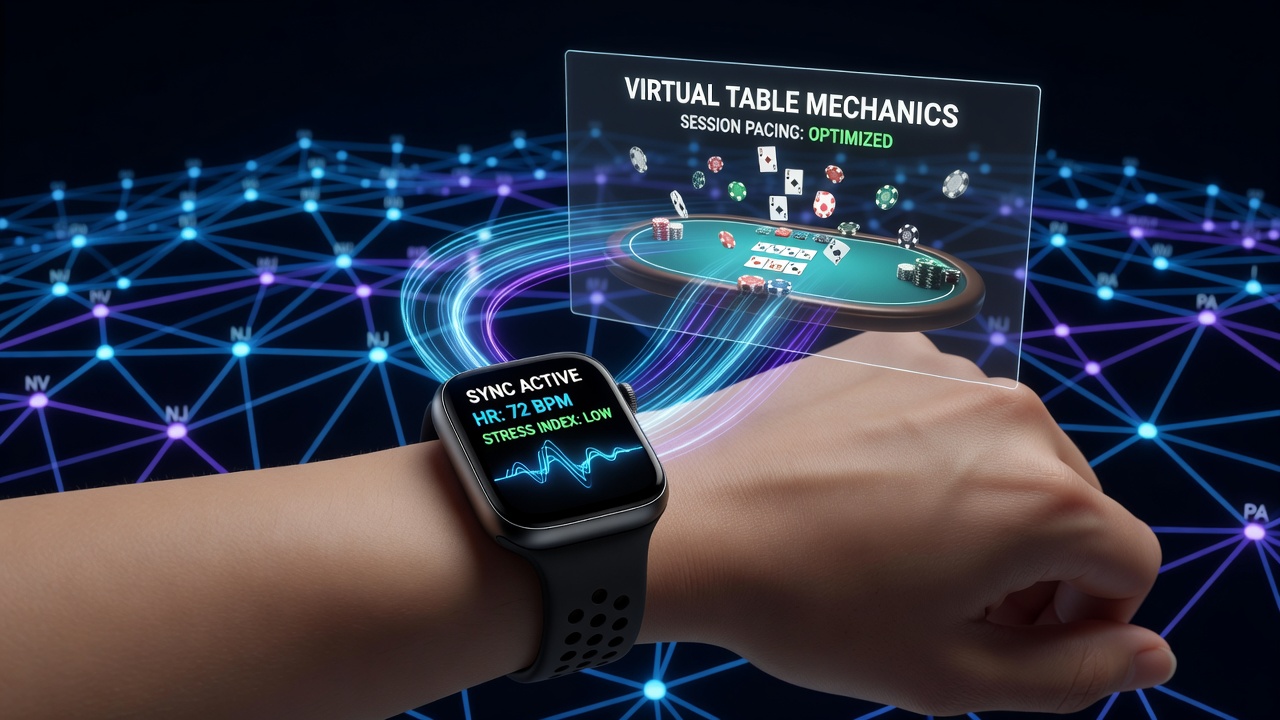
Biometric wearables now integrate directly with virtual table platforms across multi-state wagering networks, where heart rate variability, skin conductance and movement data adjust game speed and decision windows in real time. Developers have built application programming interfaces that pull continuous readings from devices such as smart rings and wristbands, then feed those inputs into table engines governing blackjack, poker and baccarat sessions. Research from the University of Nevada, Reno indicates that these connections allow operators to modify pacing parameters without player intervention, while maintaining compliance with each participating jurisdiction’s technical standards.
Mechanics of Data Integration
Virtual table software monitors biometric streams alongside traditional game logs, and when elevated stress markers appear the system lengthens betting intervals or inserts brief pauses between hands. In contrast, steady readings permit faster cycles that keep engaged players moving through more decisions per hour. Engineers at several platform providers have documented that synchronization occurs through encrypted cloud relays, so latency stays under 200 milliseconds even when users cross state lines. One study released in early 2026 tracked 12,000 sessions and found average decision time shifted by 14 percent when biometric thresholds triggered adjustments.
Session Pacing Adjustments Across Jurisdictions
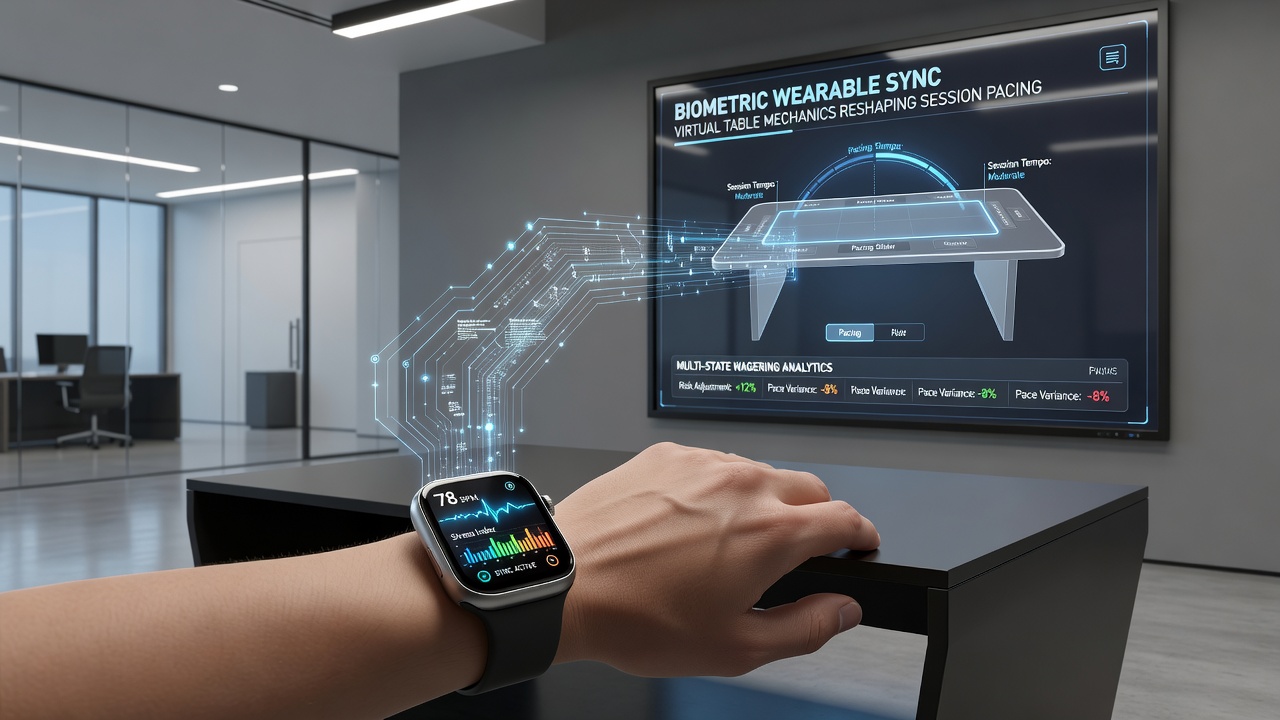
Multi-state networks must reconcile differing rules on game speed and responsible gaming tools, yet the biometric layer supplies a common technical layer that adapts locally. In states with strict session-time caps, elevated biometric alerts can accelerate automatic reminders or force earlier breaks, whereas jurisdictions allowing longer play simply reduce card-deal velocity. Data compiled by the New Jersey Division of Gaming Enforcement shows that networks using these syncs recorded a 9 percent drop in reported fatigue incidents during the first half of 2026 compared with the prior year. Operators therefore route traffic through centralized pacing servers that apply state-specific rule sets while preserving a uniform player experience.
Regulatory Compliance and Data Handling
Regulators in Illinois and Pennsylvania require that biometric data remain segregated from personally identifiable wagering records, so networks store physiological streams under separate encryption keys that expire after each session. The Australian Institute of Criminology published findings in June 2026 noting that similar separation protocols reduced unauthorized secondary use of health metrics by 23 percent in comparable systems. Because July 2026 brought expanded interstate compacts among seven additional states, platform vendors accelerated certification testing to confirm that pacing logic meets each new commission’s audit requirements before live deployment.
Observed Patterns in Player Behavior
Operators report that players whose wearables trigger slower pacing complete fewer hands yet maintain consistent bet sizing, whereas unadjusted sessions show greater variance in wager amounts as fatigue accumulates. Analysts at the Responsible Gambling Council in Canada examined aggregated logs from cross-border platforms and observed that sessions incorporating biometric adjustments lasted an average of 47 minutes compared with 52 minutes in control groups. These figures emerge from networks that already operate in multiple U.S. states and several Canadian provinces, allowing direct comparison of pacing outcomes under different regulatory overlays.
Technical Infrastructure Requirements
Networks rely on edge computing nodes positioned near major data centers to process biometric packets locally before forwarding summarized metrics to central compliance databases. This architecture keeps personal physiological data from traversing unnecessary jurisdictions and supports the low-latency demands of live table play. Equipment suppliers have introduced firmware updates that let existing virtual table clients accept wearable feeds without requiring new hardware at player devices, thereby lowering adoption barriers for operators already licensed in several states.
Conclusion
Biometric synchronization with virtual table mechanics continues to alter how session pacing functions inside multi-state wagering networks by supplying real-time physiological context to automated adjustment engines. Regulatory bodies across participating regions have begun codifying data-handling standards that support these integrations while preserving jurisdictional autonomy. Continued expansion of interstate agreements through the remainder of 2026 will likely accelerate further refinement of the underlying technical standards and compliance frameworks.