15 Aug 2026
Decoding Synchronization Patterns Between Digital Table Sessions and Reel Incentive Triggers in Multi-State Mobile Networks
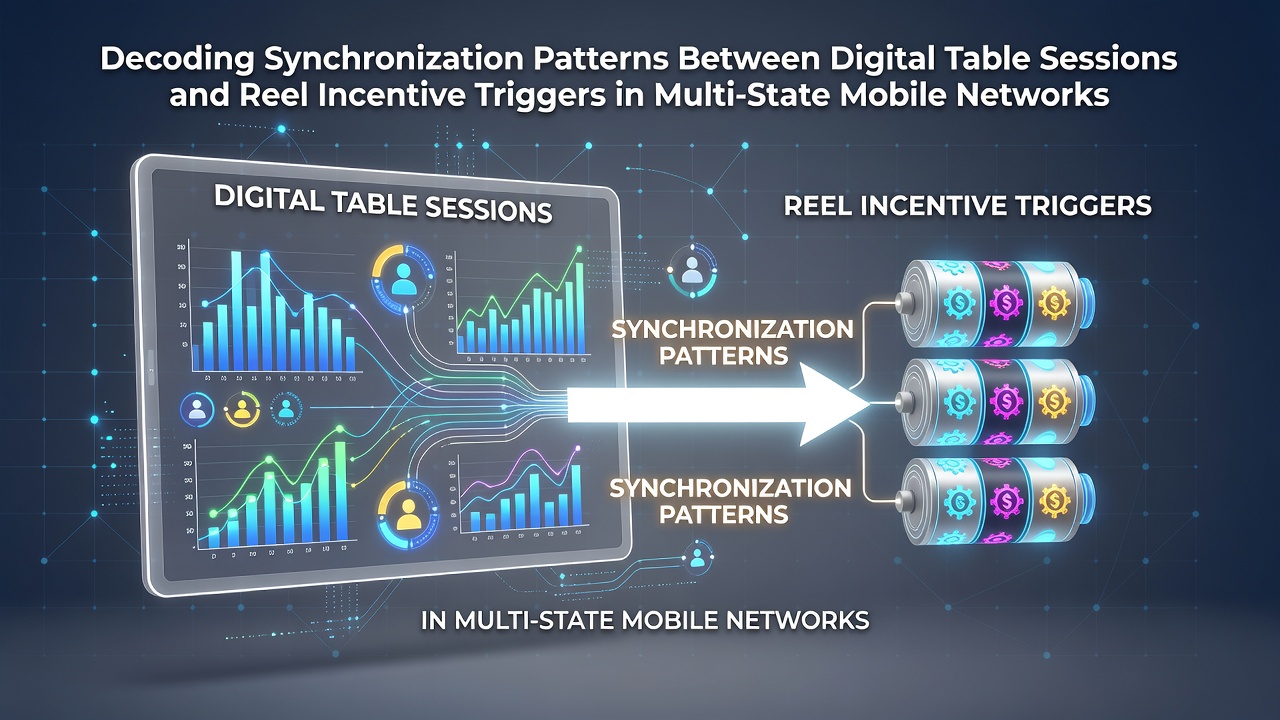
Operators in regulated markets track how players move between digital table sessions and reel-based incentives through mobile platforms that operate across multiple states, and these systems rely on timing algorithms that align session lengths with bonus activation points. Data from network logs reveal consistent intervals where table activity on blackjack or poker interfaces precedes reel triggers by specific windows, often measured in minutes rather than random bursts.
Core Mechanisms in Session Tracking
Digital table sessions generate timestamped data points that mobile networks capture in real time, and these points feed into backend systems designed to detect when a player reaches thresholds such as hands completed or average bet size. Reel incentive triggers activate once those thresholds align with pre-set parameters stored in the app's state-specific modules, which adjust for differences in gameplay rules between jurisdictions. Researchers at institutions studying behavioral data note that synchronization occurs most reliably when session durations exceed eight minutes on tables before shifting to reels, a pattern observed in aggregated logs from operators licensed in several states.
Multi-State Network Variables
Each state maintains distinct requirements for data reporting and player verification, so synchronization patterns adjust through conditional logic that references location services and regulatory databases simultaneously. In August 2026, updates to mobile network protocols allowed faster cross-state handoffs of session metadata, reducing latency between table exits and reel entries by measurable margins according to technical reports from industry testing labs. These adjustments matter because they prevent incentive triggers from firing outside permitted windows, and operators use encrypted channels to maintain continuity without violating per-state session caps.
Observed Timing Correlations
Analysis of user flow data shows clusters where digital table play lasting between twelve and eighteen minutes correlates with higher rates of reel incentive activation, particularly when the transition happens during evening peak hours. One study from a North American research group identified that reel bonuses tied to prior table sessions produced distinct engagement spikes compared to standalone promotions, with the difference appearing in metrics tracked across state lines. Synchronization relies on machine learning models that weigh factors including device type, network speed, and historical session patterns to predict optimal trigger moments.

Algorithmic Alignment Processes
Backend platforms process incoming table session signals through rule engines that compare current activity against historical incentive payout tables, and successful matches launch reel sequences without additional user input in many cases. Those who monitor these systems report that alignment improves when algorithms incorporate real-time regulatory feeds, which flag any changes in allowed bonus structures per state. The result appears in smoother transitions where players experience fewer interruptions between table rounds and reel features, as documented in operational summaries shared among licensed providers.
Data Patterns Across Jurisdictions
Comparative reviews of activity logs indicate that synchronization rates differ by state due to variations in minimum session requirements and incentive frequency limits, yet common threads emerge when data sets from multiple operators are combined. For instance, patterns linking short table sessions under five minutes to delayed reel triggers show up consistently in regions with stricter verification steps. A report published by the Canadian Gaming Association outlines similar cross-platform timing structures that operators adapt for use in expanding U.S. networks, highlighting shared technical approaches without direct regulatory overlap.
Additional findings from academic analyses at institutions focused on digital systems demonstrate that reel incentive effectiveness increases when triggers follow table sessions by intervals calibrated to average user attention spans, and these intervals receive regular recalibration based on seasonal network traffic data. Multi-state mobile networks therefore maintain separate calibration tables for each jurisdiction while sharing core synchronization codebases.
Regulatory Influences on Pattern Stability
State gaming authorities require detailed logging of incentive triggers that follow table activity, and compliance teams review these logs to confirm that synchronization does not bypass any jurisdiction-specific safeguards. In practice this means algorithms must pause or reroute triggers when a player crosses into a state with different rules mid-session, a process that network diagnostics track through geolocation pings. Observers note steady refinement of these safeguards through 2026, particularly around August when several operators completed infrastructure upgrades that strengthened data partitioning between states.
Conclusion
Patterns linking digital table sessions to reel incentive triggers continue to evolve within multi-state mobile networks as operators refine timing algorithms and regulatory alignment tools. Aggregated data sets provide the foundation for these refinements, and continued monitoring across jurisdictions supports consistent operation of the synchronization frameworks described.