12 Aug 2026
Demographic Transitions Reshaping Participation in Interstate Wagering Platforms and Digital Game Ecosystems
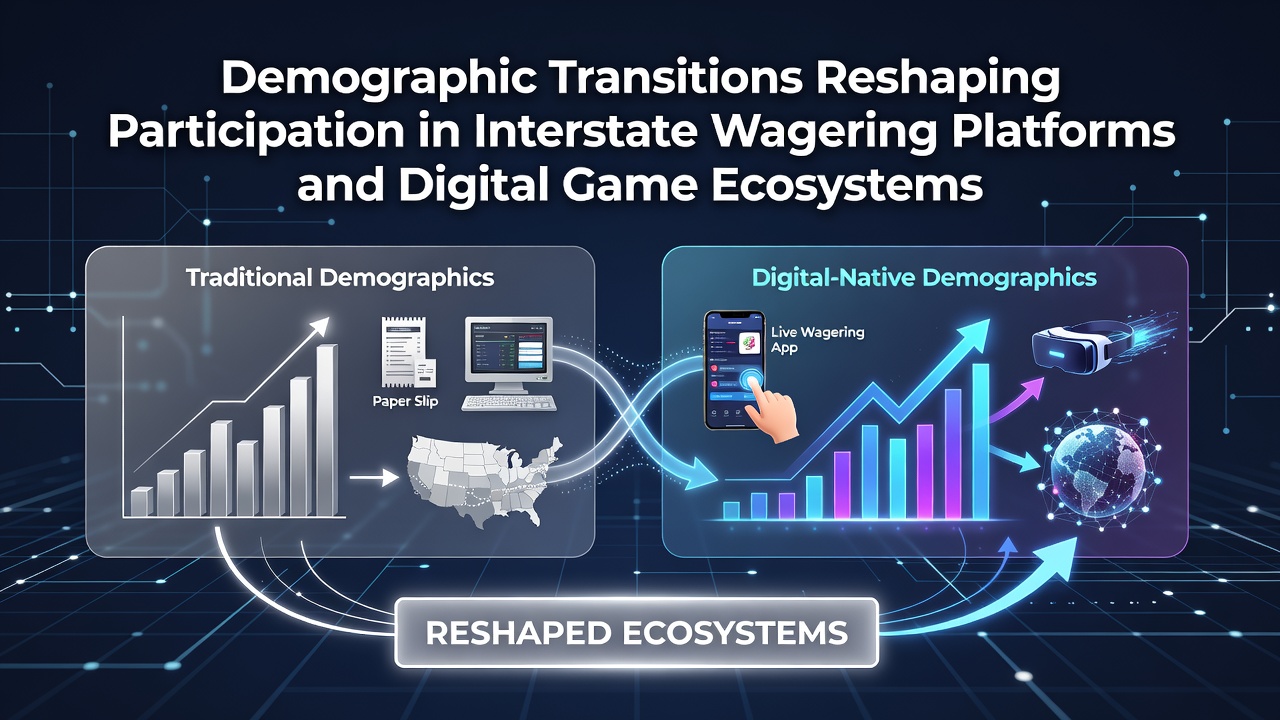
Population changes across age groups, geographic regions, and cultural backgrounds continue to influence how individuals engage with interstate wagering platforms and digital game ecosystems, according to data from multiple regulatory and research sources. Observers note that these transitions affect user acquisition patterns, session durations, and platform preferences in measurable ways, particularly as multi-state agreements expand access in various jurisdictions. Researchers have tracked these developments through enrollment figures and behavioral metrics compiled over recent years, revealing clear connections between demographic movements and participation rates in regulated digital environments.
Population Aging and Platform Preferences
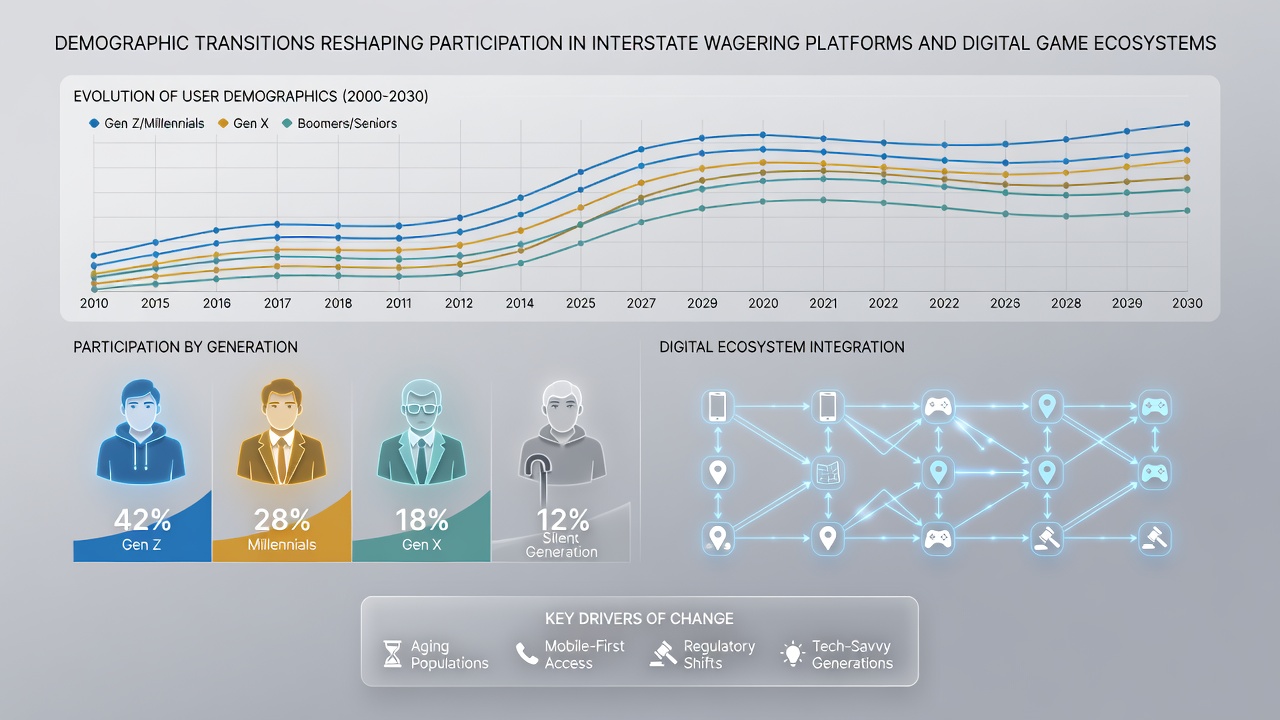
Shifts in median age within key markets have prompted operators to adjust interface designs and game offerings, since older cohorts often favor established table formats and live dealer options over rapid cycle reels or high-frequency mobile interactions. Data from the US Census Bureau shows continued growth in populations aged 55 and above in several states that participate in interstate compacts, and this group tends to access platforms during daytime hours with longer average sessions compared to younger users. Studies from academic institutions have linked these patterns to slower adoption of certain promotional structures, while noting that loyalty programs emphasizing accumulated rewards see higher retention among this demographic. Meanwhile younger segments drive volume in quick-play formats, creating distinct usage clusters that platforms monitor through segmentation tools.
Youth Cohorts and Mobile Ecosystem Growth
Individuals entering legal age ranges in 2025 and 2026 bring higher baseline familiarity with app-based interfaces, which has accelerated integration of features like cross-device synchronization and real-time event tracking in digital game ecosystems. Reports compiled by Canadian gaming associations indicate that users aged 21 to 34 account for increasing shares of session initiations in provinces with established digital frameworks, and similar trends appear in US states where multi-jurisdictional wagering agreements took effect. These cohorts demonstrate stronger engagement with social elements embedded in platforms, such as leaderboards and shared challenges, while showing preference for shorter, more frequent interactions that align with mobile-first habits. August 2026 data releases from several state regulators highlighted continued upward movement in this age bracket's activity following new compact approvals.
Geographic Migration and Regional Access Patterns
Internal population movements within the United States have altered the distribution of potential participants across state lines, affecting how operators manage compliance with varying regulatory requirements in interstate systems. Urbanization trends documented by government statistical agencies show net inflows to metropolitan areas in states with expanded digital access, correlating with higher utilization of location-verified mobile applications. At the same time, rural-to-urban shifts in certain regions have prompted platforms to refine geofencing protocols and payment processing options to accommodate users transitioning between jurisdictions. Industry organizations tracking these movements report that migration patterns influence peak activity windows, particularly when combined with seasonal events that draw participants from multiple states into shared digital environments.
Gender and Cultural Diversity in User Bases
Expanding representation across gender and ethnic groups has introduced varied preferences for game types and promotional structures within digital ecosystems. Research from Australian academic centers on gaming behavior found that female participation rates have risen steadily in online formats, with notable increases in skill-based variants and tournament-style events that span multiple jurisdictions. Cultural factors tied to immigrant population growth in certain states also correlate with demand for localized content and payment methods that reflect diverse financial practices. Observers tracking these developments note that platforms incorporating multilingual support and culturally adapted interfaces experience broader adoption across demographic segments, as evidenced in enrollment statistics released through collaborative regulatory reports.
Interstate Agreements and Platform Adaptations
Expansion of multi-state wagering compacts has coincided with demographic realignments, requiring operators to reconcile differing user profiles across connected jurisdictions. Figures from state gaming commissions reveal that participation growth in newer member states often reflects the age and regional composition of those populations, influencing overall network dynamics. Those who study these systems point out that algorithmic adjustments for responsible gaming features now incorporate demographic variables more explicitly, responding to observed differences in session length and deposit patterns among various groups. Such adaptations help maintain compliance while addressing the distinct needs that emerge from ongoing population transitions.
Conclusion
Demographic transitions continue to shape participation metrics in interstate wagering platforms and digital game ecosystems through measurable shifts in age distribution, geographic concentration, and cultural composition. Regulatory data and research findings document these influences across multiple regions, providing operators and policymakers with detailed indicators for future adjustments. As population patterns evolve, the structure of digital access and cross-jurisdictional agreements will likely reflect ongoing changes in user bases, supported by evidence compiled from government agencies and industry monitoring organizations.