22 Jun 2026
How Algorithmic Payout Structures in Multi-State Mobile Platforms Align Player Session Timing with Live Event Triggers During Peak Regulatory Shifts
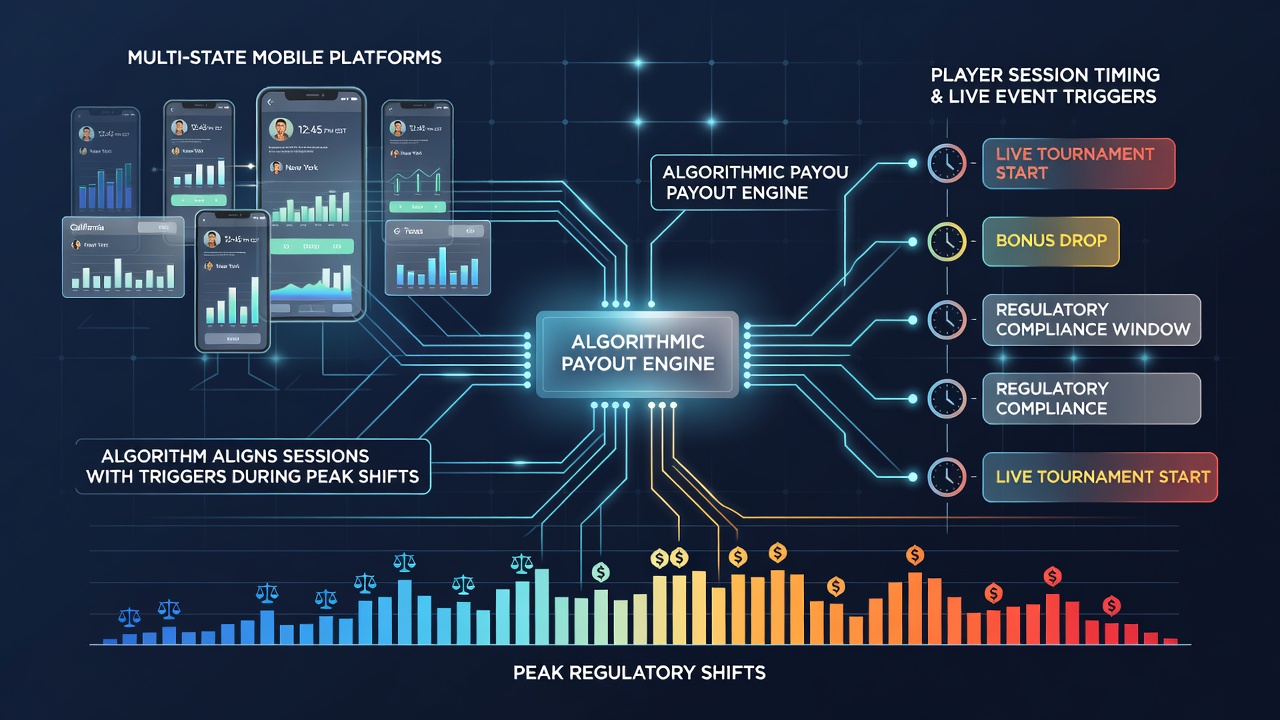
Multi-state mobile platforms use algorithmic payout structures to coordinate player sessions with live event triggers, especially when regulatory changes sweep through different jurisdictions at once. These systems process data on user behavior, event schedules, and compliance requirements to adjust when bonuses, cashouts, and promotions activate. Observers note that the approach helps platforms maintain consistent engagement even as state laws evolve.
Data from industry reports shows that operators track live events such as sports games or tournaments in real time. Algorithms then time payout releases or bonus triggers to coincide with peak moments in those events. This synchronization occurs across state lines where rules differ on deposit limits, game approvals, and tax reporting.
Mechanics of Algorithmic Coordination
Platforms collect session data including login times, bet patterns, and device locations. They cross-reference this information with live event calendars and regulatory calendars that flag upcoming rule changes. When a major sports match approaches, the algorithm may release a targeted payout or free spin offer to users whose sessions align with the event window.
Researchers have observed that these adjustments happen through machine learning models trained on historical play data. The models predict when players are likely to extend sessions if certain triggers fire at specific moments. In states preparing for new licensing rules, the same models factor in compliance buffers that delay or accelerate payouts to avoid violations.
Regulatory Shifts and Timing Adjustments
Peak regulatory shifts create pressure points where multiple states update frameworks simultaneously. Platforms respond by recalibrating their payout algorithms to respect new restrictions while preserving engagement during live events. Figures from the American Gaming Association indicate that operators serving eight or more states often run parallel compliance modules that update payout windows based on each jurisdiction's timetable.
During periods such as June 2026, when additional states finalize mobile gaming expansions, algorithms incorporate new variables. These include updated tax withholding rates and player verification intervals. The result is that a player in one state may receive a live-event bonus at a different moment than a player in another state, even though both watch the same sports trigger.
Live Event Triggers in Practice
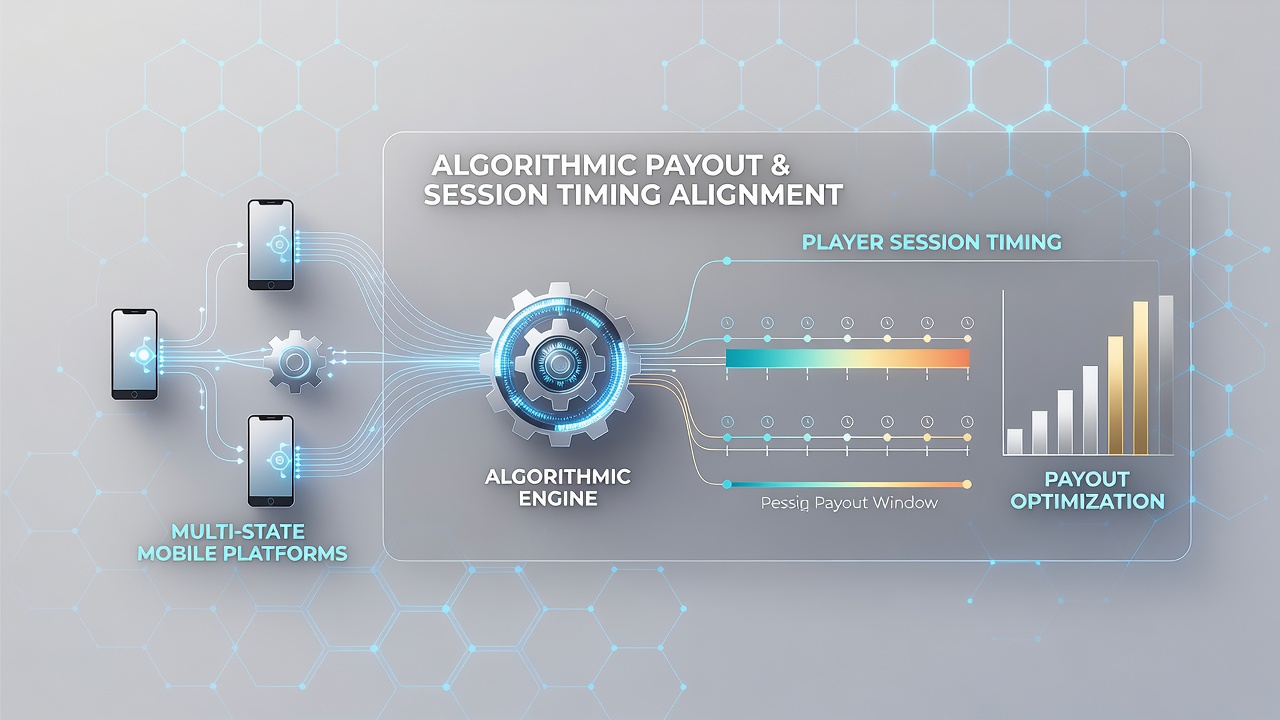
Live event triggers typically involve sports scores, tournament stages, or entertainment milestones. Algorithms monitor these through API feeds and then match them to player session metrics. When a game enters overtime, for example, the system may activate a cash-out window or loyalty reward for users whose current session length exceeds a calculated threshold.
Studies from the University of Nevada, Las Vegas Center for Gaming Research have examined how these triggers influence session duration across regulated markets. The findings reveal that platforms using multi-state data pools achieve tighter alignment between event peaks and payout releases compared with single-state systems. This occurs because the broader dataset improves prediction accuracy for timing decisions.
Cross-State Data Integration
Multi-state operators maintain centralized data lakes that aggregate anonymized player information while segmenting it by regulatory zone. Algorithms apply state-specific filters before executing payout actions. This prevents a bonus approved in one jurisdiction from triggering in another where it would violate current rules.
According to reports from the Alcohol and Gaming Commission of Ontario, Canadian operators have adopted similar layered approaches when expanding across provincial boundaries. The same pattern appears in Australian frameworks managed by state-based regulators, where live event synchronization must respect differing harm-minimization requirements.
Examples from Expanding Markets
One documented case involves a platform operating in five U.S. states that adjusted its payout cadence ahead of a major league baseball playoff series. The algorithm advanced certain bonus releases by forty-five minutes in two states undergoing licensing reviews while maintaining standard timing elsewhere. Session data collected afterward showed increased average play duration during the live events without compliance incidents.
Another instance occurred when a regulatory update in one state introduced stricter session-time caps. The platform's model responded by shifting payout triggers earlier in the session for users in that jurisdiction, allowing them to align with the same live sports moments experienced by players in less restrictive states.
Conclusion
Algorithmic payout structures in multi-state mobile platforms continue to evolve as regulatory landscapes shift. By linking session timing data with live event feeds and jurisdiction-specific rules, these systems maintain operational continuity across changing environments. Information from regulatory bodies and academic centers demonstrates that such coordination relies on real-time processing and segmented compliance layers rather than uniform nationwide settings. As additional states finalize mobile gaming policies, the underlying models are expected to incorporate further variables that refine the alignment between player activity and event triggers.