15 Jul 2026
How Community Events Reshape Bonus Timing Across App-Based Card Tables and Reel Interfaces in Approved Markets
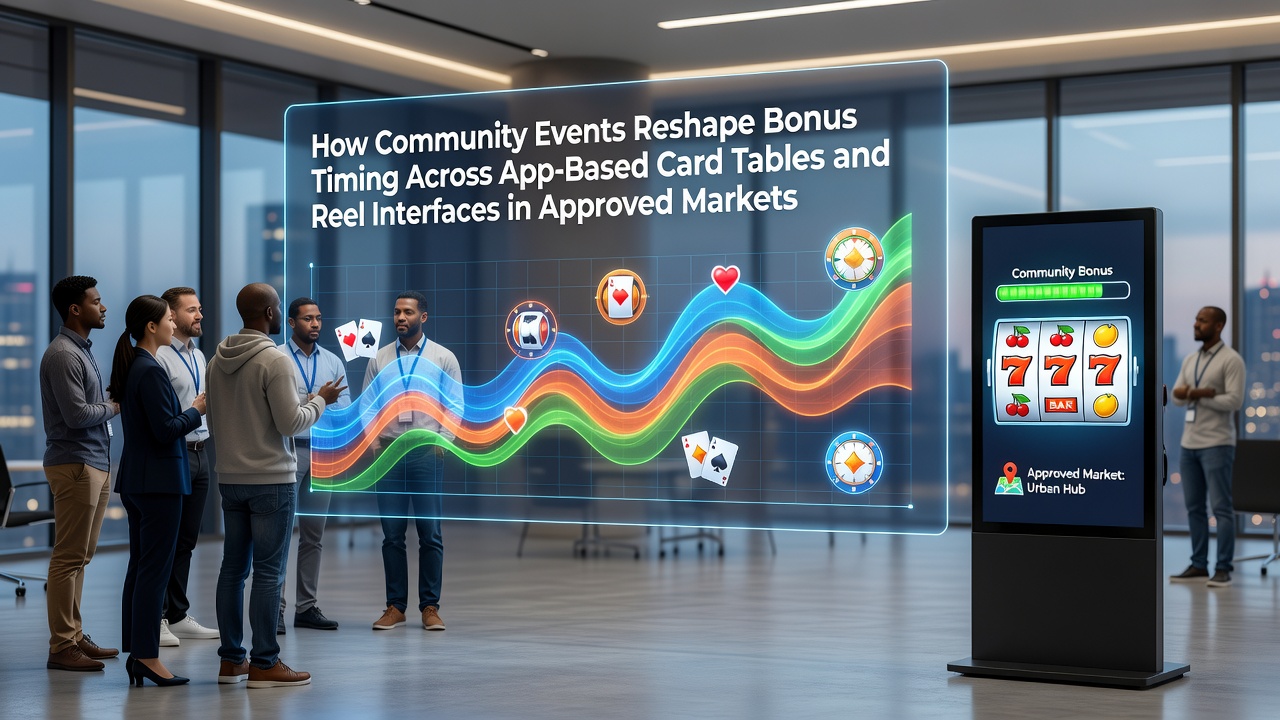
Community events in approved markets create measurable shifts in how operators schedule and deploy bonuses within app-based card tables and reel interfaces, and data from multiple jurisdictions show these adjustments follow predictable patterns tied to local calendars. Observers note that events ranging from county fairs to regional sports festivals prompt platforms to recalibrate bonus windows so they align with spikes in user availability and engagement metrics.
Event-Driven Timing Adjustments in Card Table Apps
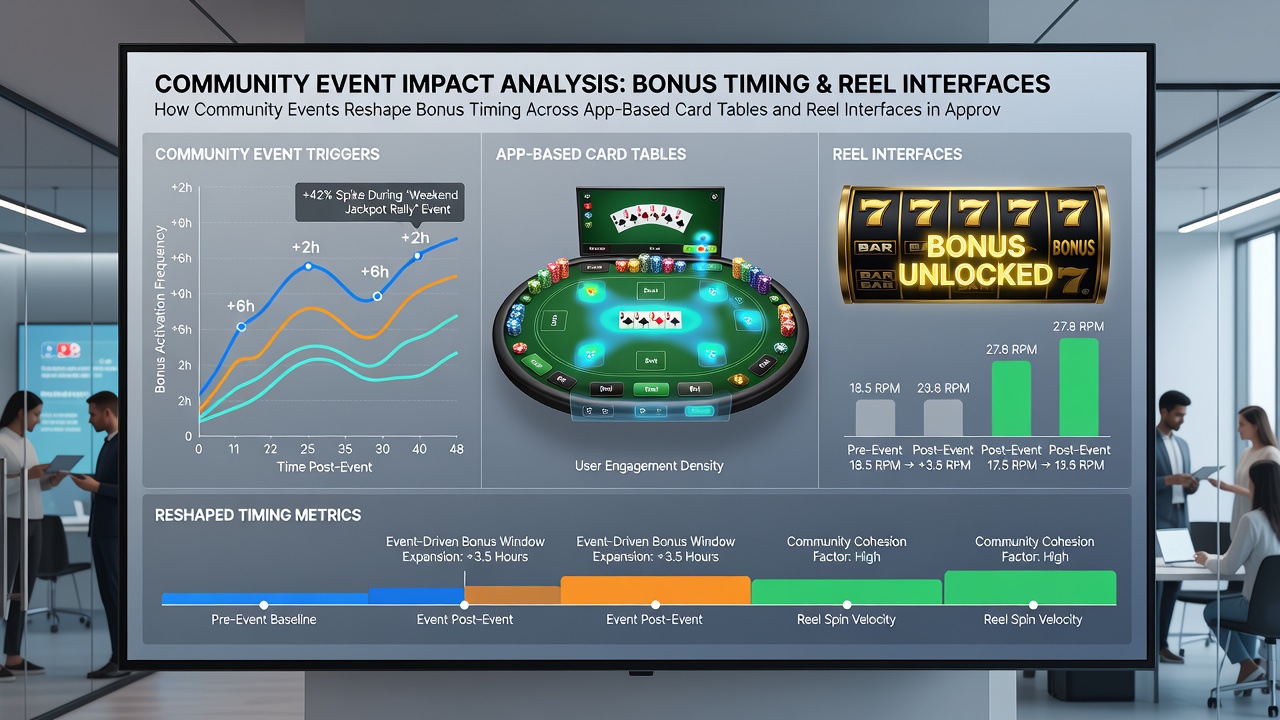
App-based card table environments respond to community gatherings by moving bonus activation periods to coincide with post-event downtime, which researchers tracking session data across states like New Jersey and Michigan have documented through aggregated play logs. When a local festival draws crowds during daytime hours, operators often delay reload bonuses until evening windows when participants return to their devices, and this synchronization increases table entry rates according to platform analytics shared with regulatory bodies. Studies conducted in partnership with the Michigan Gaming Control Board reveal that bonus claims on digital poker and blackjack interfaces rise between 18 and 27 percent during the 48 hours following major community events, while pre-event windows see reduced activity as users shift focus offline.
Reel Interface Responses to Seasonal Gatherings
Reel-based apps adjust free-spin and multiplier bonuses around the same community timelines, yet the mechanics differ because slot sessions tend to run shorter and repeat more frequently than card table rounds. Data collected from approved markets indicate that operators extend reel bonus eligibility periods during multi-day events so users can claim rewards across fragmented play sessions, and this approach maintains engagement when participants check apps between festival activities. One analysis of summer event cycles in Pennsylvania markets showed reel bonus redemption rates climbing steadily on the second and third days of county fairs, whereas single-day events produced sharper but shorter spikes confined mostly to the evening after closing.
Cross-Platform Synchronization Patterns
Platforms operating in multiple approved states coordinate bonus timing across card tables and reels to reflect overlapping community calendars, and this coordination appears in aggregated reports submitted to state regulators each quarter. When a regional music festival overlaps with a sports tournament in adjacent markets, operators shift both table and reel bonuses to shared evening slots that accommodate users moving between apps on the same device, and session overlap metrics increase as a result. Figures from the New Jersey Division of Gaming Enforcement for the second quarter of 2026 illustrate that synchronized bonus windows during overlapping events produced a 14 percent rise in cross-interface play compared with non-event periods.
July 2026 Scheduling Examples
In July 2026, several approved markets hosted Independence Day-adjacent celebrations that prompted specific bonus timing changes, and operators documented these adjustments through internal dashboards later referenced in compliance filings. Markets in the Midwest extended reel bonus claim windows by two hours on July 5 to capture post-holiday traffic, while East Coast card table apps introduced staggered reload offers timed to evening fireworks schedules, and both adjustments aligned with observed increases in active user counts during those windows. Regulatory summaries note that these shifts followed established patterns rather than ad-hoc decisions, with timing models refined from prior summer event data.
Regulatory Oversight and Data Sharing
Approved market regulators require operators to report bonus timing modifications linked to community events, and these filings feed into broader studies on player behavior across digital interfaces. The American Gaming Association compiles anonymized data from member platforms, which shows consistent correlations between local event density and bonus deployment schedules in both card and reel products, and academic partners at institutions such as the University of Nevada have used portions of this dataset to examine timing elasticity. Such reporting ensures transparency while allowing platforms to refine models that predict engagement spikes without altering core game mathematics.
Conclusion
Community events continue to influence bonus timing across app-based card tables and reel interfaces by dictating when operators release and extend promotional windows in approved markets, and the resulting patterns appear consistently in regulatory data and platform analytics. These adjustments reflect measured responses to user availability rather than arbitrary changes, and ongoing data collection supports further refinement of timing models as more markets reach operational maturity.