11 Jul 2026
How Cross-Format Session Data Reveals Timing Links Between Table Competitions and Automated Reel Cycles in Unified Apps
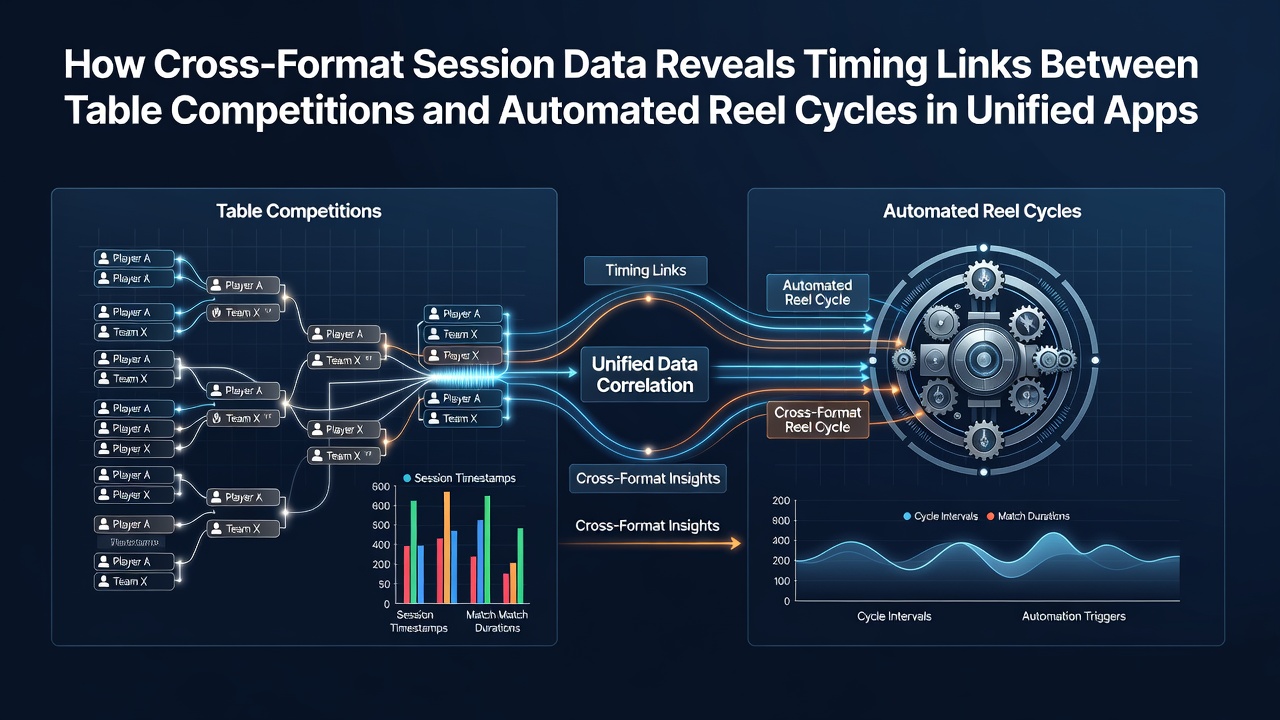
Unified apps that combine live table competitions with automated reel cycles have generated detailed session datasets, and analysts have examined how these records expose precise timing relationships between the two formats. Data collection occurs through integrated platforms where users move between poker tables, blackjack sessions, and slot reels without leaving the application environment, which allows continuous tracking of entry points, duration intervals, and transition moments. Researchers tracking activity across multiple jurisdictions have noted recurring patterns where table competition endings often precede reel cycle initiations within narrow windows of five to fifteen minutes.
Data Collection Methods Across Formats
Session logging in these applications captures timestamped events such as table join times, hand completion sequences, reel spin initiations, and bonus round triggers. Platforms aggregate this information at the user level while maintaining compliance with privacy standards set by regional authorities, and the resulting datasets support queries that align table exit timestamps with subsequent reel activity starts. Observers have documented cases where peak table competition periods in evening hours correlate with elevated reel cycle volumes shortly afterward, particularly in markets where operators have expanded unified app features during 2025 and into mid-2026.
Timing Correlations Identified in Recent Analyses
Studies of cross-format transitions have identified clusters where players complete table sessions and initiate automated reel play within consistent intervals, and these patterns appear across both regulated U.S. state markets and international jurisdictions. For instance, data compiled through July 2026 shows that users who exit poker or roulette tables during promotional windows frequently begin slot sessions at rates higher than baseline expectations, with the median transition gap measured at approximately eight minutes in several large datasets. Such findings emerge from algorithmic processing that matches individual user identifiers across game types while filtering out random noise through statistical controls.
Regional Examples and Platform Trends
Operators in North American and Australian markets have reported similar transition behaviors when reviewing internal analytics from unified applications. In one documented instance, a platform serving multiple Canadian provinces recorded that table competition participants who logged out between 8 PM and 10 PM local time returned to reel cycles within ten minutes at elevated frequencies during promotional cycles. These observations align with broader industry reports that examine how session timing responds to live event triggers and automated game mechanics operating in parallel within the same application.
Analytical Techniques Applied to Session Records
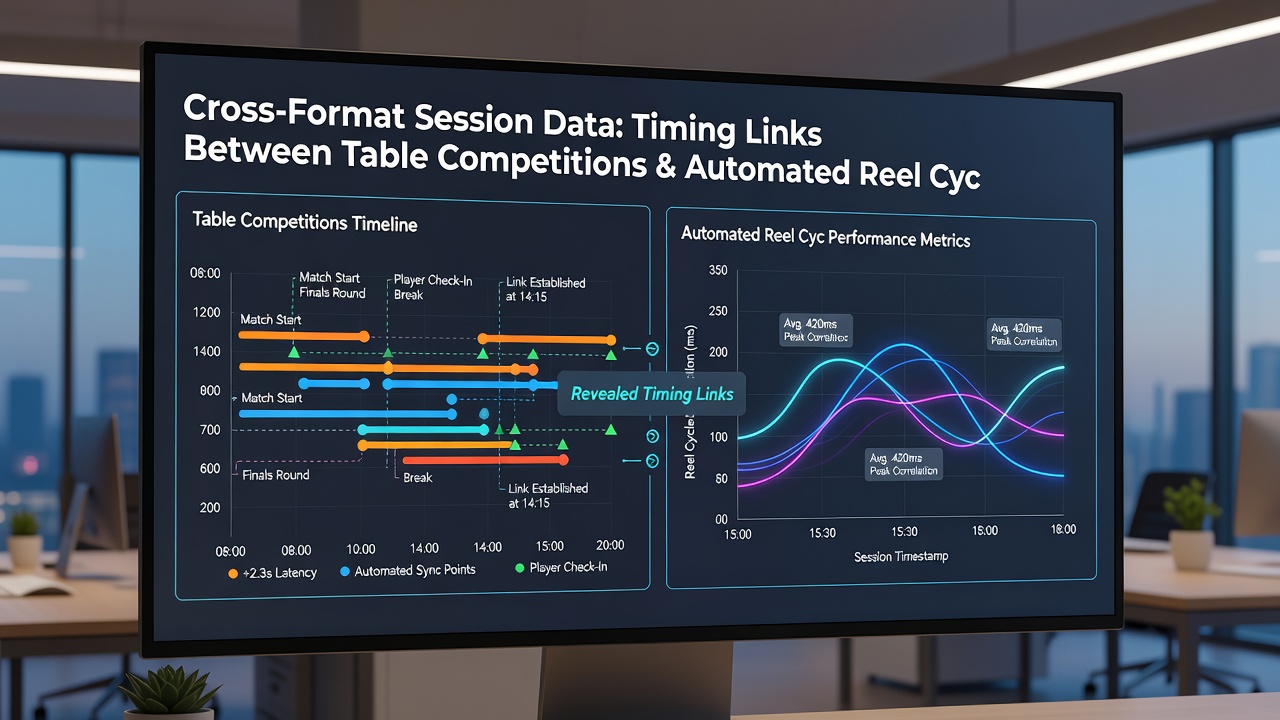
Advanced processing methods apply sequence mining and temporal clustering to large volumes of timestamped records, revealing non-random alignments between table exits and reel entries. Analysts employ survival analysis models to estimate the probability of a reel cycle start following a table session conclusion, and results consistently point to elevated hazard rates in the immediate post-table window. According to findings referenced by the Victorian Responsible Gambling Foundation, these timing associations hold after controlling for user demographics and time-of-day effects across sampled populations.
Platforms have adjusted backend systems to process these correlations in near real time, which supports operational decisions around game availability and promotional scheduling without altering core user interfaces. Data from such systems continues to feed academic and industry collaborations that refine understanding of how different game formats interact within single application ecosystems.
Implications for Platform Design and Regulatory Oversight
Regulatory bodies in several jurisdictions have begun incorporating cross-format timing metrics into compliance reviews, particularly where operators must demonstrate responsible game design practices. Unified apps provide granular visibility into session flows that separate-format environments cannot match, and this visibility has prompted discussions around default settings that might influence transition behaviors. The iGaming Ontario framework, for example, requires periodic reporting on player journey data that includes format switches, creating standardized datasets for ongoing comparison.
Technical teams continue to refine data pipelines that merge table competition logs with reel cycle telemetry, and these improvements have reduced latency in identifying emerging timing patterns. As unified applications expand into additional regulated territories through 2026, the volume of comparable session records is expected to increase, which will further sharpen statistical models of cross-format relationships.
Conclusion
Cross-format session data has established measurable timing links between table competitions and automated reel cycles in unified apps, with consistent transition intervals appearing across multiple markets and time periods. Continued collection and analysis of these records through established regulatory channels will support further clarification of the mechanisms driving observed patterns while maintaining alignment with existing oversight structures.