16 May 2026
How Player Behavior Analytics Drive Customized Bonus Offers in Mobile Gambling Apps
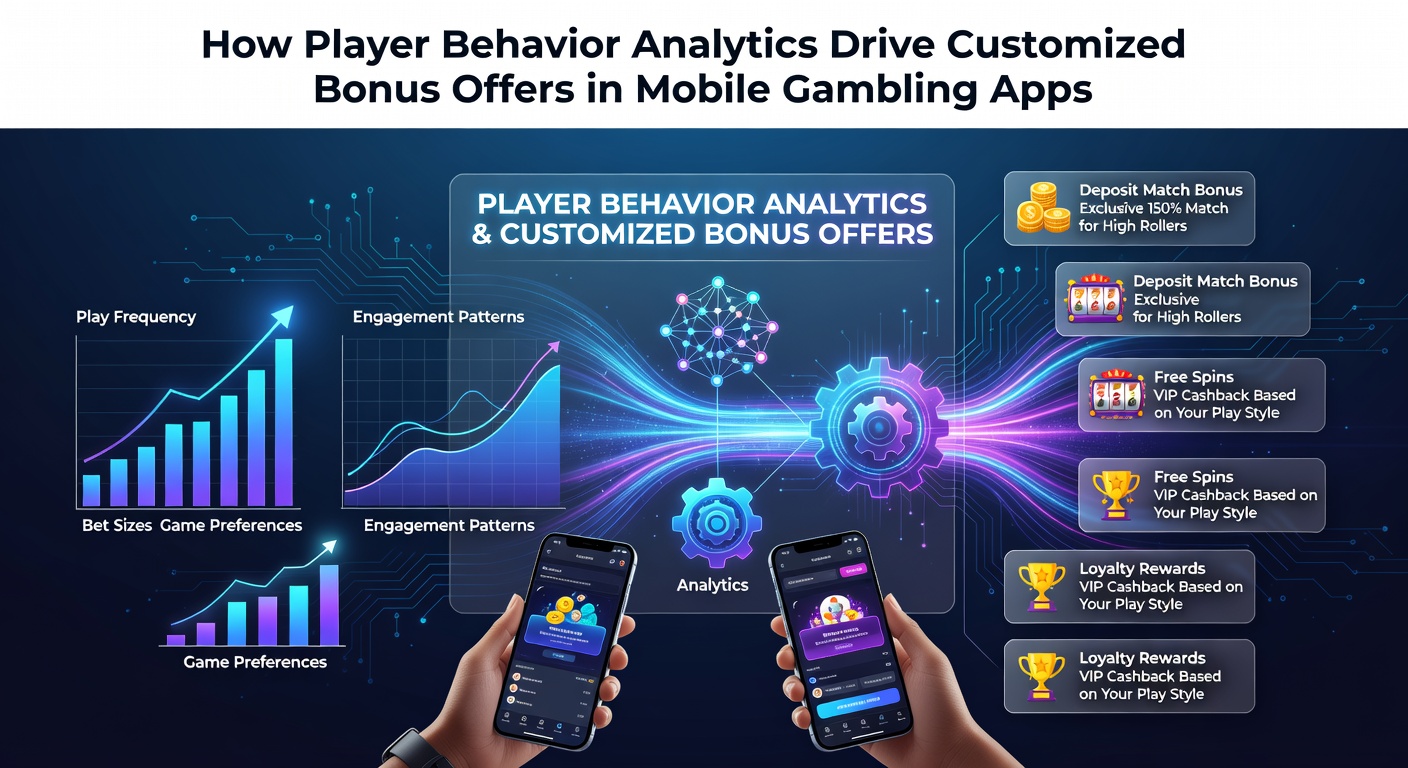 Mobile gambling apps collect vast amounts of player data through tracking tools that monitor everything from session length and game selection to bet sizing and response to wins or losses, then feed those details into algorithms that generate tailored bonus offers designed to match individual habits and preferences. Operators rely on this approach because it allows them to segment users automatically rather than applying blanket promotions across an entire player base.
Data Collection Methods in Mobile Platforms
Apps record actions in real time through embedded software that captures keystrokes, swipe patterns, and in-game decisions while users play, and these streams combine with device information such as location, time of access, and connection type to build detailed profiles. Developers integrate machine learning models that identify clusters of similar behaviors, for instance grouping frequent slot players who favor high-volatility titles separately from those who prefer table games with lower stakes, and the system updates these categories continuously as new data arrives.
Behavioral signals include deposit frequency, withdrawal timing, and even how quickly a player returns after a loss, which together create predictive scores that indicate likely future activity levels. One study published by the University of Nevada, Reno examined how these metrics correlate with retention rates across thousands of accounts, showing that targeted interventions based on early session data produced measurable differences in continued play.
Personalization Algorithms at Work
Once profiles exist, the algorithms match specific bonus types to user segments: slot enthusiasts might receive free spin packages timed to their usual login windows, while sports bettors could see boosted odds on events they have wagered on before. The matching process runs on rules engines that weigh recent activity more heavily than older patterns, ensuring offers stay relevant rather than static. Operators test these recommendations through A/B frameworks that compare conversion rates between personalized and generic offers, with results guiding further refinements to the models.
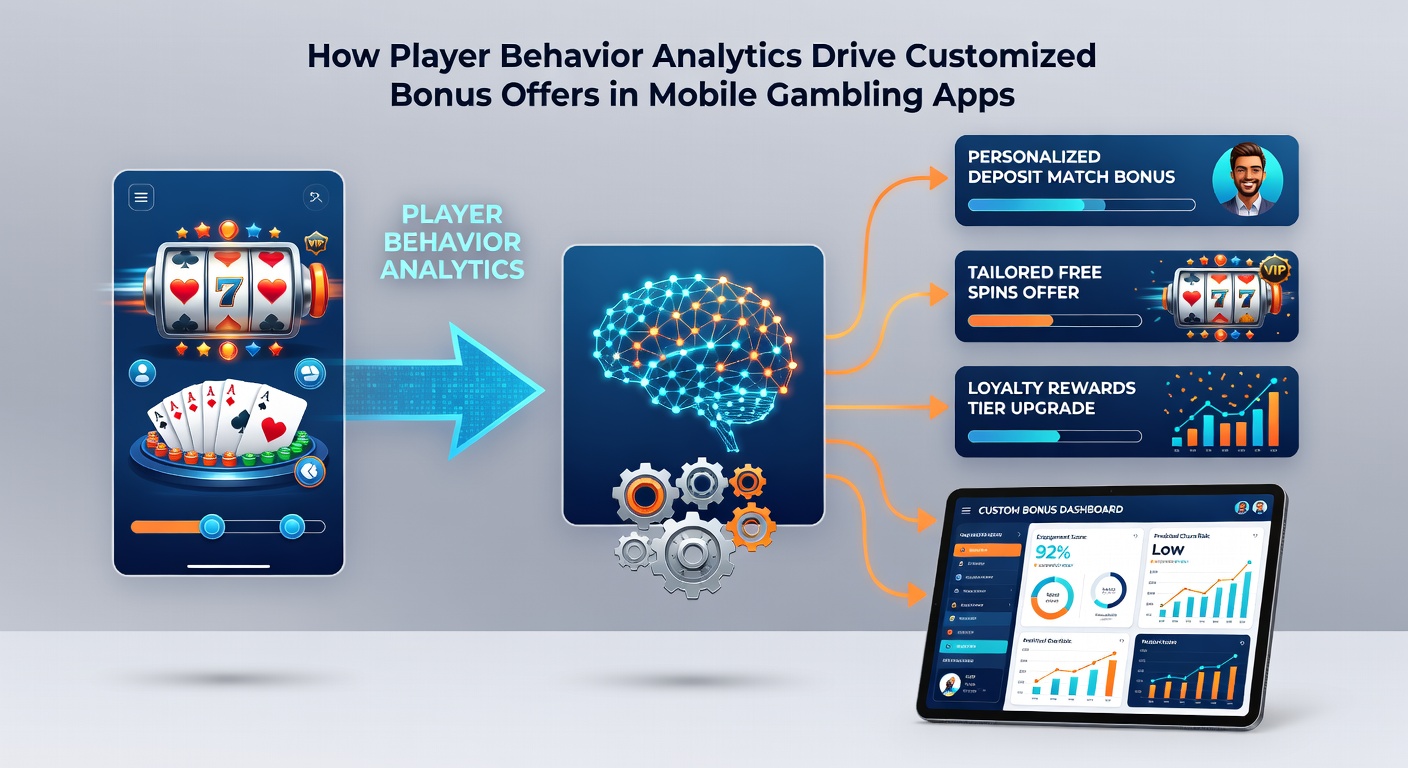
What's interesting is how the system adjusts bonus value and structure dynamically; a player who deposits consistently on weekends might receive a reload offer with a higher match percentage but stricter wagering requirements, whereas someone showing signs of decreasing activity could get a no-deposit incentive to encourage re-engagement. These adjustments occur without manual intervention once the initial parameters are set, allowing platforms to scale personalization across millions of accounts simultaneously.
Regulatory Context and Industry Standards
Regulators in multiple jurisdictions require operators to maintain transparency around how data informs promotions, and compliance teams document the logic behind each bonus category to demonstrate fairness. In Ontario, for example, iGaming Ontario guidelines emphasize that personalized offers must not target vulnerable players identified through risk indicators such as rapid deposit escalation. Similar frameworks exist in Australia, where the National Framework for Responsible Gambling outlines expectations for analytics-driven marketing that avoid encouraging excessive play.
By May 2026, several North American and European markets are expected to introduce updated reporting standards that mandate disclosure of the data variables used in bonus targeting, which will require platforms to log decision trees more explicitly than current practices demand. Industry associations such as the American Gaming Association have published resources that help members align analytics systems with these emerging requirements while preserving the effectiveness of customized campaigns.
Impact on Player Retention and Revenue
Figures from platform operators indicate that personalized bonuses achieve higher redemption rates compared with uniform promotions, and the difference often translates into extended session times and increased deposit volumes among the targeted groups. The process creates a feedback loop where redeemed offers generate additional behavioral data that refines future recommendations, allowing the system to identify which bonus structures work best for each segment over successive weeks.
Observers note that smaller operators sometimes partner with third-party analytics providers to access the same level of sophistication found in larger enterprises, which levels the playing field for offer customization without requiring in-house data science teams. Case examples from platforms operating across multiple regions show consistent patterns: players who receive offers aligned with their historical preferences tend to maintain steadier activity levels than those who receive mismatched promotions.
Conclusion
Player behavior analytics have become central to how mobile gambling apps structure and deliver bonus offers, turning raw interaction data into actionable segments that drive engagement while meeting regulatory expectations around responsible targeting. As platforms continue to refine these systems, the focus remains on accurate data handling and precise matching that reflects actual user patterns rather than assumptions. The approach continues to evolve alongside technological capabilities and jurisdictional rules, shaping the way offers appear to individual players across devices and markets.