27 May 2026
Regional Volatility Shifts in Digital Reels and Their Ties to Poker Session Timing Across Promotional Cycles
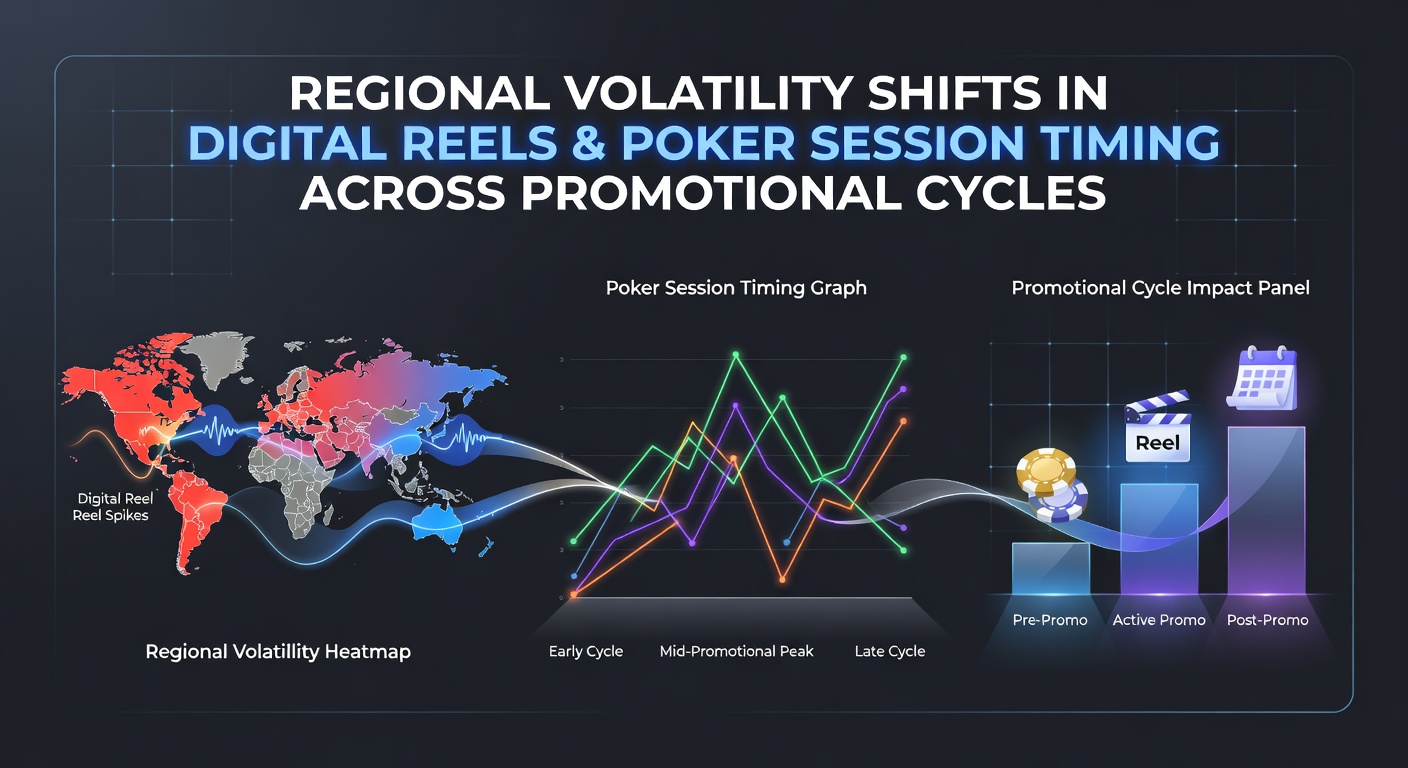
Digital reels in online and land-based casinos exhibit volatility patterns that shift noticeably across different geographic regions, adn those changes align with observable adjustments in poker session timing during recurring promotional cycles. Observers note that operators adjust reel parameters such as hit frequency and bonus trigger rates to match local player preferences, while poker tables experience corresponding peaks and troughs tied to the same marketing calendars.
Documented Regional Differences in Reel Volatility
Markets in North America show higher average volatility settings on digital reels compared with certain European jurisdictions, according to aggregated data compiled by the Nevada Gaming Control Board and cross-referenced with reports from the Australian Gambling Research Centre. In the United States, reels frequently incorporate larger jackpot tiers and longer dry spells between features, whereas operators in parts of Canada and Australia maintain tighter variance profiles during standard weeks. These configurations evolve further when promotional calendars activate, with hit rates rising in some regions while remaining stable in others.
One study released by researchers at the University of Nevada examined six months of reel data across multiple states and found that volatility indexes increased by measurable margins in markets anticipating major deposit-match events. The same analysis indicated that poker rooms in those same venues recorded earlier session starts on weekdays when reel promotions coincided with targeted poker leaderboards.
How Promotional Cycles Influence Both Reels and Tables
Promotional cycles typically run on 28- to 35-day loops, and reel volatility adjustments often occur at the midpoint of each cycle. Data from regulatory filings show that operators raise the frequency of small line wins during the first ten days of a cycle in several U.S. markets, then shift toward higher-variance bonus features in the final week. Poker session timing follows a parallel rhythm: players log in or arrive at tables in greater numbers during the early phase when reel promotions emphasize frequent small payouts, then migrate toward later evening sessions when reel volatility peaks and poker tournaments offer overlay guarantees.
Canadian operators follow a slightly different cadence. Reports submitted to provincial regulators indicate that volatility remains flatter throughout the cycle, yet poker traffic still spikes on days when reel-based free-spin bundles are advertised alongside satellite qualifiers. The pattern suggests that even modest reel adjustments can influence table-game traffic when promotions overlap.
Timing Correlations Across Jurisdictions
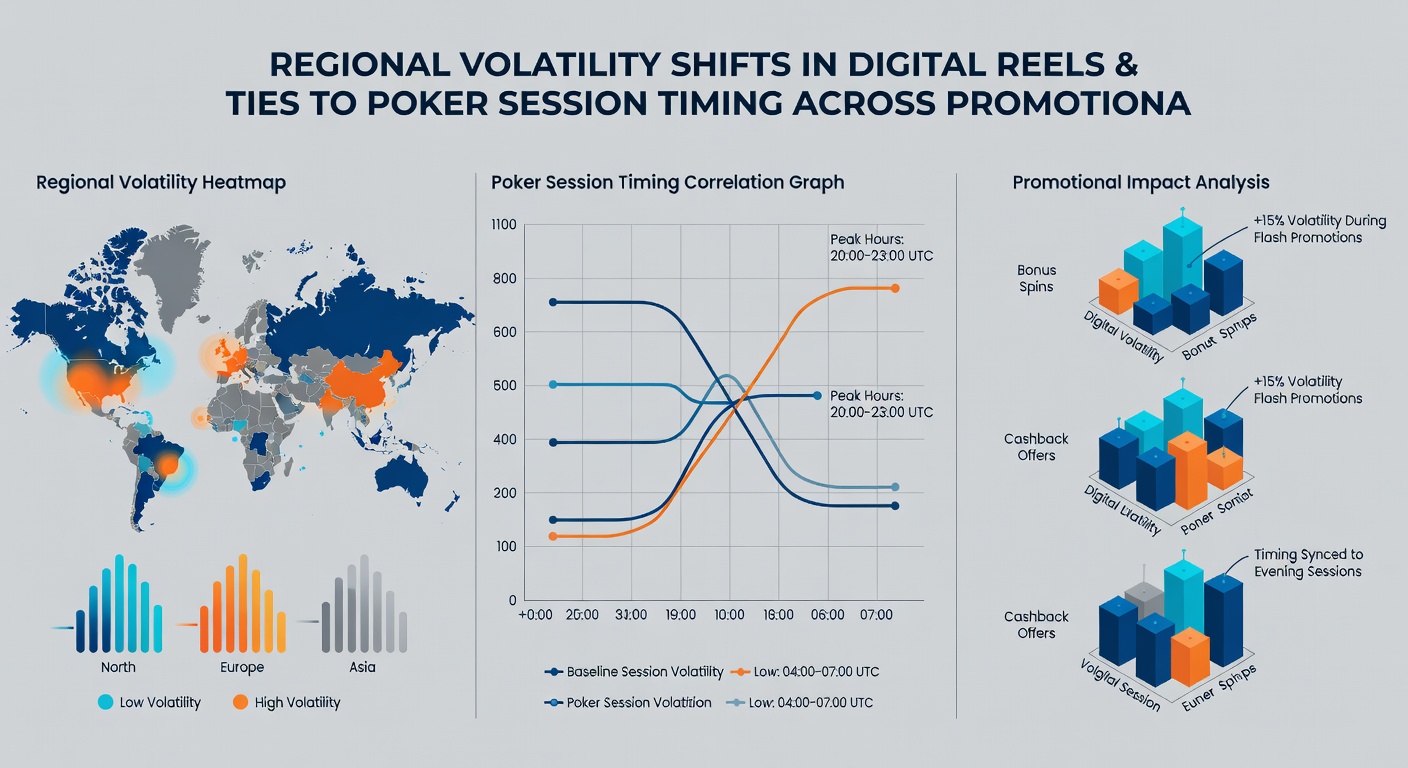
Session-start timestamps collected from multiple platforms reveal consistent offsets. In markets where reel volatility rises mid-cycle, poker tables see the largest influx between 8 p.m. and 11 p.m. local time. In regions maintaining steadier volatility, poker sessions begin earlier, often between 5 p.m. and 7 p.m., and conclude sooner. These offsets hold across both land-based and online environments, according to anonymized traffic reports shared at industry conferences.
Legal expansion timelines add another layer. With additional states projected to authorize real-money online casino gaming by May 2026, operators anticipate further regional calibration of reel parameters to match incoming regulatory frameworks. Early modeling suggests that new markets may adopt volatility settings closer to current Canadian or Australian baselines during initial promotional cycles, potentially altering poker session distributions in those jurisdictions.
Regulatory and Research Context
The New Jersey Division of Gaming Enforcement requires quarterly volatility disclosures from licensed operators, and those filings have been used by independent analysts to track cycle-related adjustments. Similar reporting exists in Singapore under the Casino Regulatory Authority, where reel configurations must remain within documented tolerance bands during active promotions. Academic papers from institutions in both countries have begun examining whether these mandated disclosures correlate with measurable changes in poker participation metrics.
Industry associations such as the Canadian Gaming Association have published aggregate summaries showing that poker room utilization rates move in tandem with documented reel volatility shifts during overlapping promotional windows. The data do not establish causation, yet the temporal alignment appears across multiple reporting periods and geographic zones.
Conclusion
Regional volatility adjustments in digital reels occur within recurring promotional frameworks, and poker session timing displays corresponding shifts across examined markets. Regulatory filings, academic analyses, and traffic summaries provide the factual basis for observing these patterns through May 2026 and beyond. As more jurisdictions finalize online gaming rules, continued monitoring of both reel parameters and table-game schedules will supply additional data points for comparison.