4 Sep 2026
Screen Arrangements Steering Real-Time Choice Behaviors in Combined Mobile Wagering and Gaming Spaces
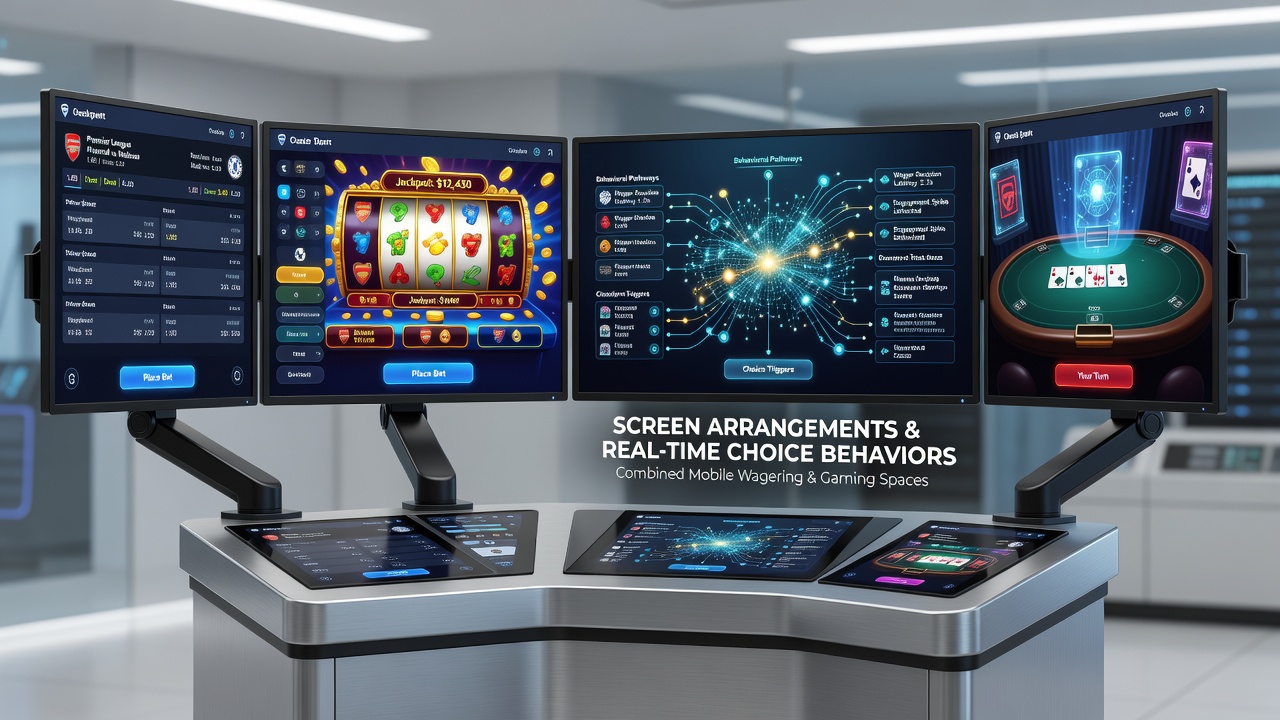
Screen layouts in mobile applications that merge wagering options with gaming modules direct user navigation patterns through spatial positioning and transition mechanics. Observers note how top-bar versus bottom-nav arrangements alter the frequency of switches between live event betting and digital reel sessions. Data from platform analytics indicate that users exposed to persistent side panels for odds updates maintain longer engagement with simultaneous game launches than those relying on menu-driven access.
Interface Elements and Decision Pathways
Researchers have mapped how swipe gestures between wagering dashboards and slot interfaces correlate with session duration metrics. Studies show that horizontal scrolling arrangements prompt quicker returns to live betting prompts while vertical stacking tends to sequence game rounds before wager placements. Those who've examined heat-map data find that prominent placement of cash-out buttons near gaming thumbnails increases the rate of mid-session adjustments during combined play cycles.
Platform developers deploy A/B testing protocols to measure these shifts across user cohorts in regulated markets. Evidence suggests that split-screen previews of ongoing sports events alongside progressive jackpot meters influence the timing of deposit triggers. In September 2026, several multi-state operators reported updated UI frameworks that integrate event calendars directly into reel selection grids, producing measurable changes in cross-category selection rates according to internal telemetry logs.
Behavioral Data from Integrated Environments
Analytics firms track real-time choice sequences through timestamped interaction logs that reveal patterns in tab usage versus overlay pop-ups. One study revealed that users presented with floating action buttons linking directly to live odds adjust wager amounts more frequently during bonus round triggers than those navigating through separate modules. Data indicates that color-coded arrangement schemes for win notifications versus loss alerts affect the speed of re-entry into either wagering or gaming flows.
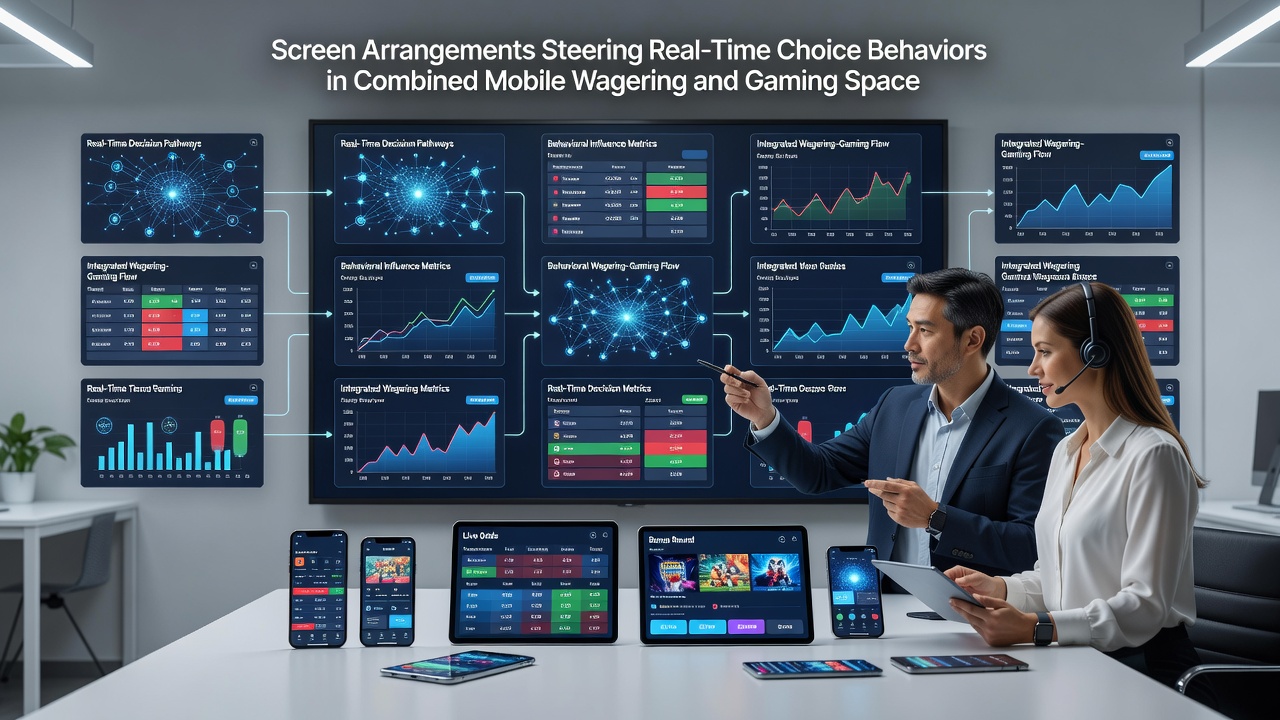
Regional operators in North America and parts of Europe apply similar layout principles yet adapt them to local regulatory display requirements. Figures from the Canadian Centre for Gaming Research demonstrate that persistent navigation rails increase the likelihood of alternating between poker table entries and sports prop bets within single sessions. Meanwhile, data compiled by the Australian Institute of Family Studies shows comparable effects when gaming modules occupy primary screen real estate over secondary wagering feeds.
Real-Time Adjustments and Platform Metrics
Engineers incorporate dynamic resizing features that respond to user scroll velocity and dwell time on specific screen quadrants. These adjustments steer attention toward high-engagement zones during peak hours. Observers tracking September 2026 rollout data note that operators who refreshed their arrangement algorithms recorded shifts in average time spent per category without altering promotional structures. Session logs further indicate that thumbnail clustering for live events near gaming paytables correlates with elevated multi-bet initiations mid-round.
Platform telemetry also captures how notification placement within arrangement hierarchies influences exit rates versus continued play. Evidence suggests that stacked alert banners positioned above gaming controls extend combined session lengths compared with edge-aligned designs. Researchers continue to examine these variables across device orientations and operating systems to refine predictive models of choice sequencing.
Conclusion
Screen arrangements in combined mobile wagering and gaming environments continue to evolve through iterative testing and data aggregation. Metrics gathered across multiple jurisdictions highlight consistent relationships between spatial organization and the sequence of user selections. Ongoing refinements in layout logic reflect broader industry efforts to align interface mechanics with observed behavioral flows while operating within established regulatory parameters.