18 Jul 2026
Synchronizing Random Number Generators from Reel Formats with Real-Time Event Odds in Cross-Device Applications
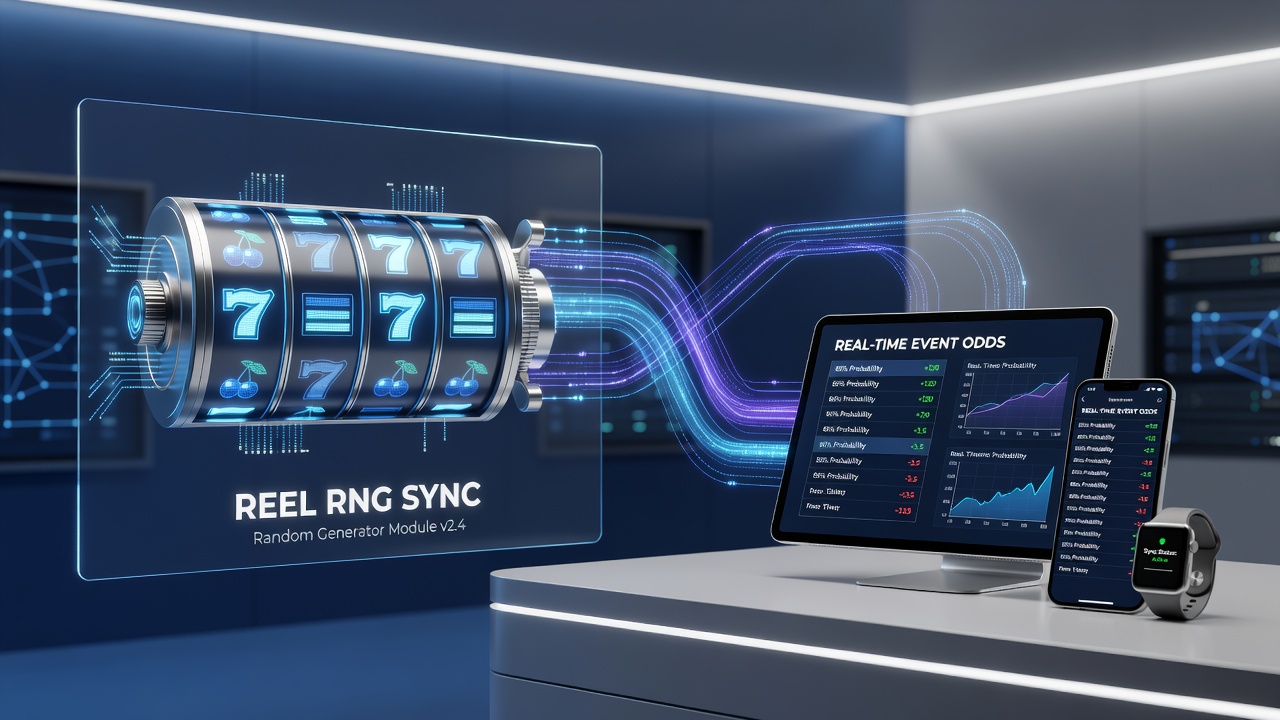
Developers face the task of aligning pseudorandom number generators used in digital reel systems with live probability feeds that update event odds in real time, and this alignment occurs across smartphones, tablets, and desktop platforms where session states must remain consistent. Data streams carrying reel outcomes connect to external odds providers through APIs that refresh every few seconds, while device-specific latency handling ensures that a spin initiated on one screen produces the same verified result when resumed elsewhere.
Core Mechanisms Behind Reel RNG Integration
Reel formats rely on certified RNG algorithms that generate sequences for symbol placement and bonus triggers, and these sequences require timestamped mapping to concurrent event data such as player statistics or match progress. Synchronization layers insert middleware that pulls odds from regulated feeds and injects adjusted weighting parameters into the RNG seed without altering the underlying certification, so that payout distributions reflect both static reel math and dynamic event variables. Research from the University of Nevada, Reno gaming technology lab demonstrates that hybrid seed functions combining reel entropy with event timestamps maintain statistical independence across 10 million simulated cycles when tested under variable network conditions.
Cross-device continuity depends on cloud-stored session tokens that record the current RNG state and the latest odds snapshot at the moment of handoff. When a user switches from a mobile reel session to a desktop view, the token reconstructs the exact sequence position and reapplies any live odds modifiers that have occurred in the interim, preventing desyncs that could affect outcome fairness. Observers note that this token architecture supports seamless transitions in environments where regulatory audits demand verifiable logs of every odds adjustment applied to reel results.
Real-Time Odds Feeds and Latency Management
Event odds arrive from multiple data vendors and carry timestamps accurate to milliseconds, while reel RNG calls must queue these updates so that each spin incorporates the most recent probability shift. Buffer systems discard stale odds older than a defined threshold, typically two seconds, and substitute fallback values derived from historical averages to keep reel cycles uninterrupted. Studies conducted by the Nevada Gaming Control Board technical division show that such buffering reduces outcome variance drift below 0.3 percent in multi-device test environments when peak concurrent users exceed 50,000 sessions.
Applications operating in jurisdictions that expanded legal frameworks by July 2026 employ geo-fenced APIs to route odds through licensed aggregators only, ensuring compliance with state-specific rules on dynamic pricing. The integration pipeline tags each reel outcome with the precise odds version number at generation time, creating an immutable audit trail that regulators can query during routine compliance reviews.

Data Consistency Across Platforms
Platform-specific rendering engines receive identical RNG seeds and odds modifiers yet apply device-appropriate visual scaling, so the underlying probability remains uniform. Database sharding strategies partition session data by user identifier and geographic region, allowing parallel writes from multiple device endpoints without collision. When network partitions occur, reconciliation protocols compare local RNG checkpoints against the central ledger and resolve discrepancies