20 Jun 2026
Tracing Reward Pathways: How Tiered Promotions Sync Slot Play Cycles with Live Poker Table Entry Points in Cross-Device Apps
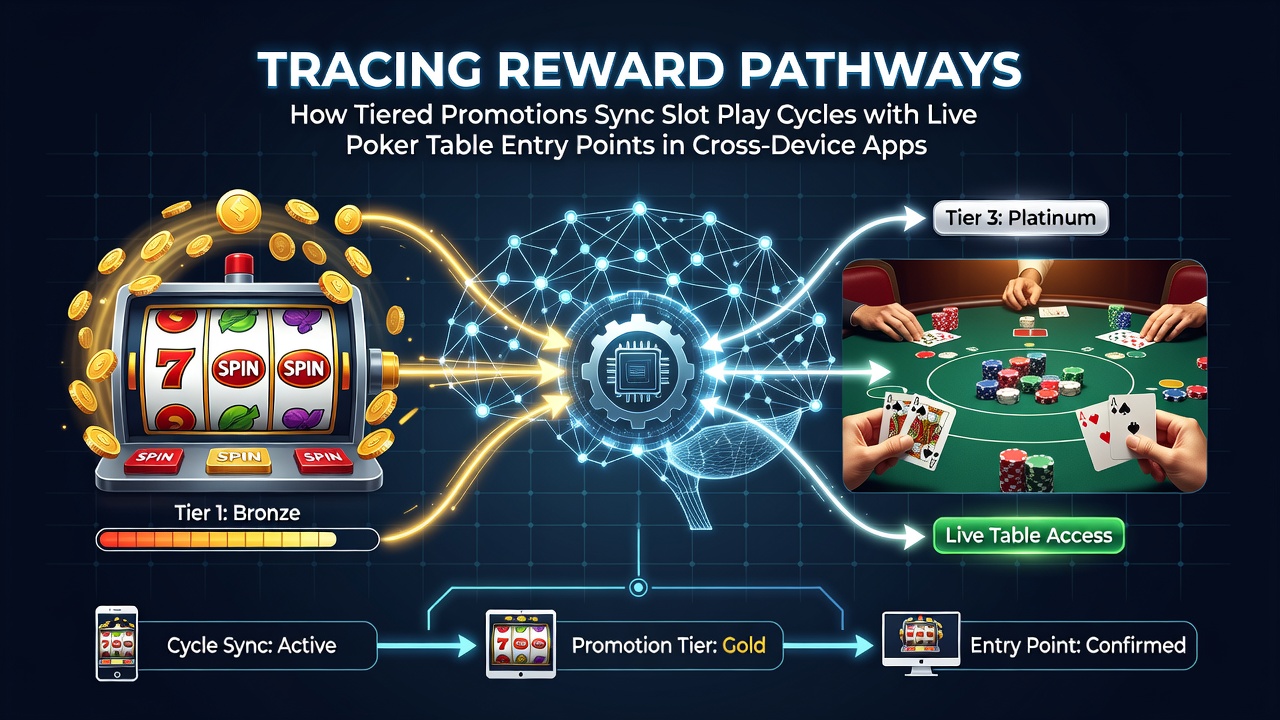
Cross-device gambling applications continue to integrate tiered promotion mechanisms that align slot machine play cycles with live poker table access points, and these systems operate through coordinated reward structures that track user activity across mobile, tablet, and desktop interfaces. Platform operators design these pathways to maintain continuous engagement by converting accumulated slot metrics into poker entry incentives, while data synchronization protocols ensure that progress remains consistent regardless of the device in use.
Mechanics of Tiered Promotion Structures
Operators implement multi-level reward tiers that escalate based on slot spin volume and bet sizing, with each tier unlocking specific poker table privileges such as reserved seating or reduced buy-in requirements. These structures rely on real-time tracking algorithms that log session data and apply conversion rates, so that 500 slot spins at a defined stake level might equate to one poker tournament entry token. Research from industry reports shows that such tiered systems appear in regulated markets across multiple jurisdictions, where compliance standards require transparent tracking of promotion eligibility.
Users progress through bronze, silver, and gold tiers by completing slot cycles that operators define through algorithmic thresholds, and advancement automatically populates the user's cross-device profile with poker access codes. This approach creates a direct link between reel-based activity and table game entry, since the same account identifier governs both environments.
Slot Play Cycle Synchronization
Slot play cycles in these applications follow patterned sequences that operators calibrate to match poker schedule openings, allowing players to accumulate points during evening reel sessions that convert into morning or afternoon table reservations. Data indicates that platforms adjust cycle lengths to coincide with peak poker traffic periods, and this timing strategy helps distribute player volume across available tables without manual intervention. According to statistics published by the American Gaming Association, synchronized cycles contribute to measurable increases in table occupancy rates within integrated app ecosystems.
Cross-device continuity plays a central role here, since a player who begins a slot cycle on a mobile device can resume the same progress on a desktop interface and still qualify for the linked poker entry. Developers achieve this through cloud-based session storage that updates every few seconds, preventing loss of accumulated rewards during device switches.
Live Poker Table Entry Integration
Live poker table entry points activate when slot-derived rewards reach predefined thresholds, at which point the app generates a digital voucher that reserves a seat at a specific table or tournament. These vouchers carry time-limited validity windows that align with poker room schedules, and operators often extend them across multiple days to accommodate varied player availability. Observers note that this integration reduces friction between game types, since users transition directly from slot interfaces into poker lobbies without separate registration steps.
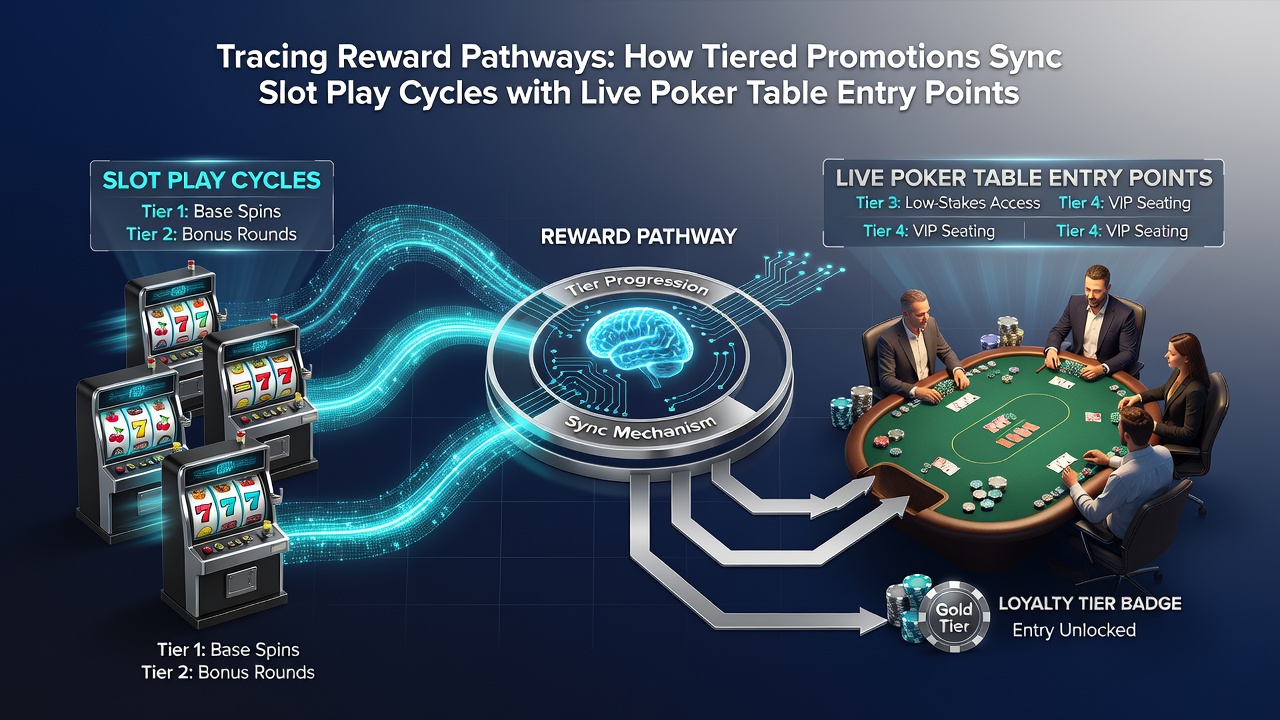
As of June 2026, several major platforms expanded these features to include multi-state poker networks, where a slot cycle completed in one jurisdiction can unlock table access in another through reciprocal agreements. This development builds on earlier data synchronization standards and supports broader player mobility within regulated environments.
Cross-Device Data Flows and Tracking
Cross-device apps maintain unified player profiles that aggregate slot metrics and poker activity into a single reward ledger, and this consolidation enables accurate tier progression regardless of access point. Backend systems employ API calls that push updates between slot engines and poker management modules, while encryption protocols protect transaction details during transfer. Studies from academic sources such as those hosted on ScienceDirect demonstrate that seamless data flows correlate with higher retention rates across extended play periods.
Operators also incorporate fallback mechanisms that preserve reward status during temporary connectivity loss, allowing offline slot play to queue for later synchronization once teh device reconnects. This redundancy ensures that poker entry eligibility remains intact even when users switch between cellular and Wi-Fi networks.
Regulatory and Operational Considerations
Regulatory bodies in various regions require detailed reporting on how tiered promotions convert between game categories, and operators submit periodic audits that verify fair distribution of poker entries derived from slot activity. These requirements help maintain transparency in reward pathways while preventing disproportionate accumulation by high-volume players. Platforms operating in multiple markets adapt their conversion rates to satisfy local rules, which adds complexity to the underlying algorithms.
Industry organizations track these developments through aggregated performance metrics, revealing patterns in how synchronized promotions influence overall session duration and cross-game participation. The available data supports continued refinement of these systems as operators respond to evolving player behavior across devices.
Conclusion
Tiered promotions in cross-device gambling applications establish clear linkages between slot play cycles and live poker table entry points through coordinated tracking and reward conversion protocols. These pathways operate under regulatory oversight that emphasizes transparency and fairness, while technical infrastructure supports consistent user experiences across platforms. Continued expansion in June 2026 and beyond reflects ongoing adaptation to multi-jurisdictional requirements and player mobility patterns.